Five Biggest Reasons Why The “Check Engine” Comes On


By Cary Car Care September 22, 2020

Common Check Engine Light Culprits

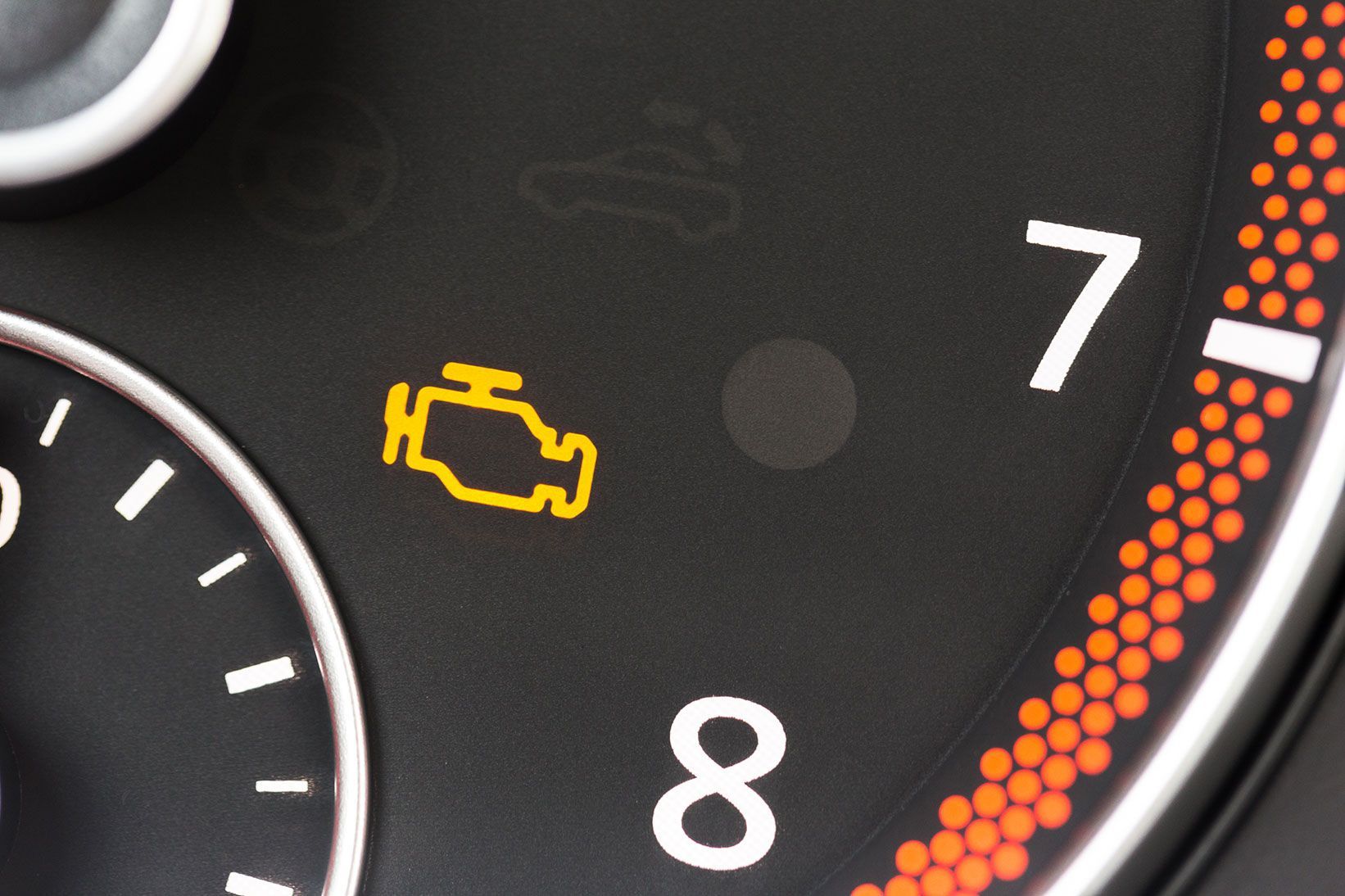
It’s one of the worst feelings to have while driving ; the dreaded “Check Engine” light comes on. For a lot of motorists, they feel the doom and gloom of the situation. “Will the engine die?” “Is there smoke coming from the vents?” “Why is the car sputtering?” We’ve all been there and asked those questions to ourselves. While it may spell doom and gloom, it actually provides an early warning system for your car before it suffers internal damage. At Cary Car Care, our mission is to diagnose the problem with our state-of-the-art equipment that will pinpoint the root cause of the issue. Here are the five biggest reasons why the check engine light comes on.

An O2 Sensor Has Started to Fail

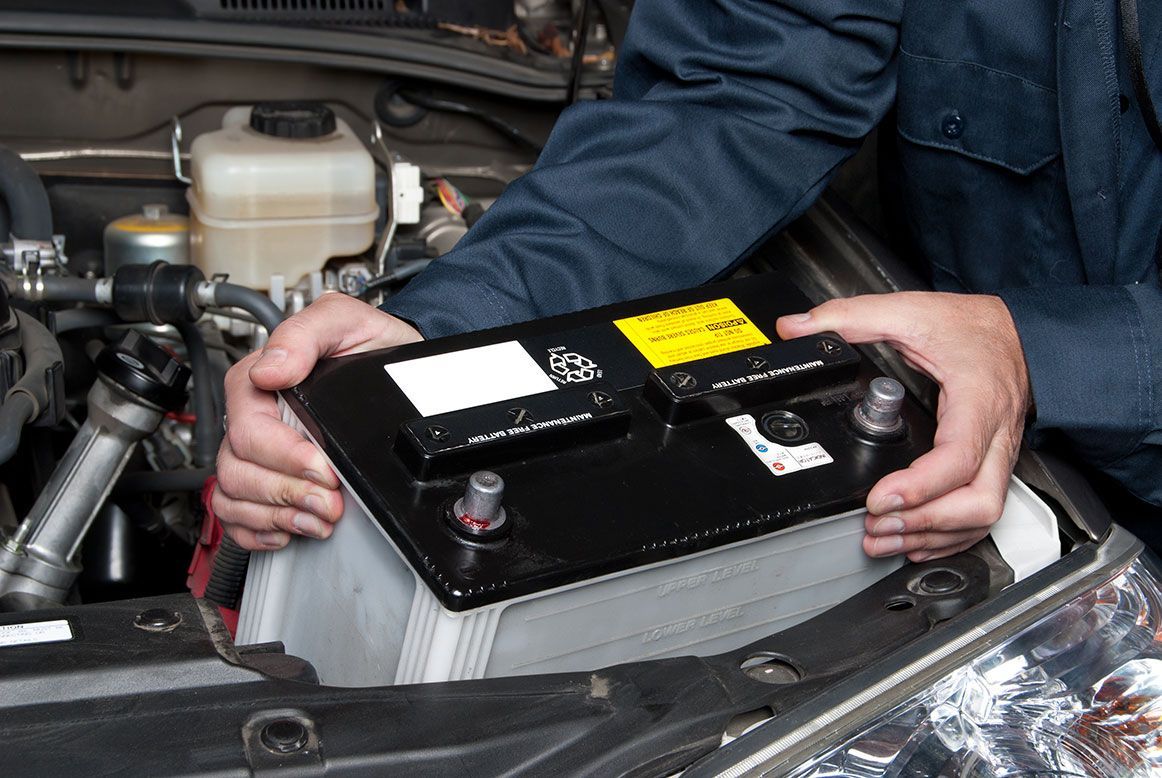
A car’s oxygen sensor monitors the unburned oxygen in the exhaust system. Monitoring the oxygen is a way of managing the fuel mixture. This is to ensure the car doesn’t run too rich or too lean. When it begins to fail, it may idle at a higher RPM in addition to running rough. Because the sensor can no longer regulate the fuel mixture, a car’s emissions will go up. While O2 Sensors are robust, they are exposed to the elements, and will deteriorate. Once this happens, the sensor will throw a fault, and thus the Check Engine light comes on.

Spark Plugs Have Burned Out

Spark Plugs are basically the conductor of the engine. They provided the necessary spark that ignites the fuel and air mixture that creates engine power. The gap between the ends of the plug is close enough that the electricity will cross the gap between them, giving the ignition the proper voltage. As the spark plug wears, the gap becomes less and less. This causes the engine to misfire, lose power, create excess wear, and lower gas mileage. Over time, a plug’s wear will cause damage to their adjoining plug wires and ignition coils.

Catalytic Converter Has Failed

To help reduce emissions, Catalytic Converters create an oxidizing reaction to lessen the effect of pollutants on the atmosphere. Over the years, they’ve become more integrated with an engine’s management system. This allows it to work more efficiently and reduce wear. On average, a Catalytic Converter lasts around 10 years, so it won’t be a high priority of repair if you buy the new. That said, several factors can lead to it wearing down. If raw fuel or antifreeze find their way into the exhaust system, it could cause the Catalyst to overheat and melt down. Other problems include faulty oxygen sensors, worn spark plugs, and structural damage.

Vacuum Hoses May Be Leaking

Acting as a release valve, vacuum hoses take pressure buildup from engine components to allow for smooth combustion. Like other parts of the engine, the hoses are susceptible to the elements like heat, dirt, and debris. When a hose breaks, the car may start to misfire and perform sluggishly. In most modern cars, there is a sensor that monitors the hoses’ function. If it detects a drop in pressure from a faulty hose, it will signal a fault code immediately. In most circumstances, the hose is just worn out.

Your Gas Cap Is Loose

As strange as it may sound, a loose gas cap can cause your check engine light to come on. Because the cap has a perfect seal on the fuel tank, any that escapes from the tank can be hazardous. A fuel level sensor monitoring it can detect the escaping vapor and send an alarm to your cars’ brain, thus causing the check engine light to come on.

If you experience any of the issues listed above, please don’t hesitate to call us at 919-380-0040 to schedule an appointment. Our ASE-certified technicians will take great care in diagnosing your vehicle. Our shop is located on 234 E Johnson Street near Kingswood Elementary School in Downtown Cary. We look forward to providing good car care for you!


Contact Us

SHARE THIS

Latest Posts

Hands wearing black gloves assembling engine parts.
By Cary Car Care July 4, 2023
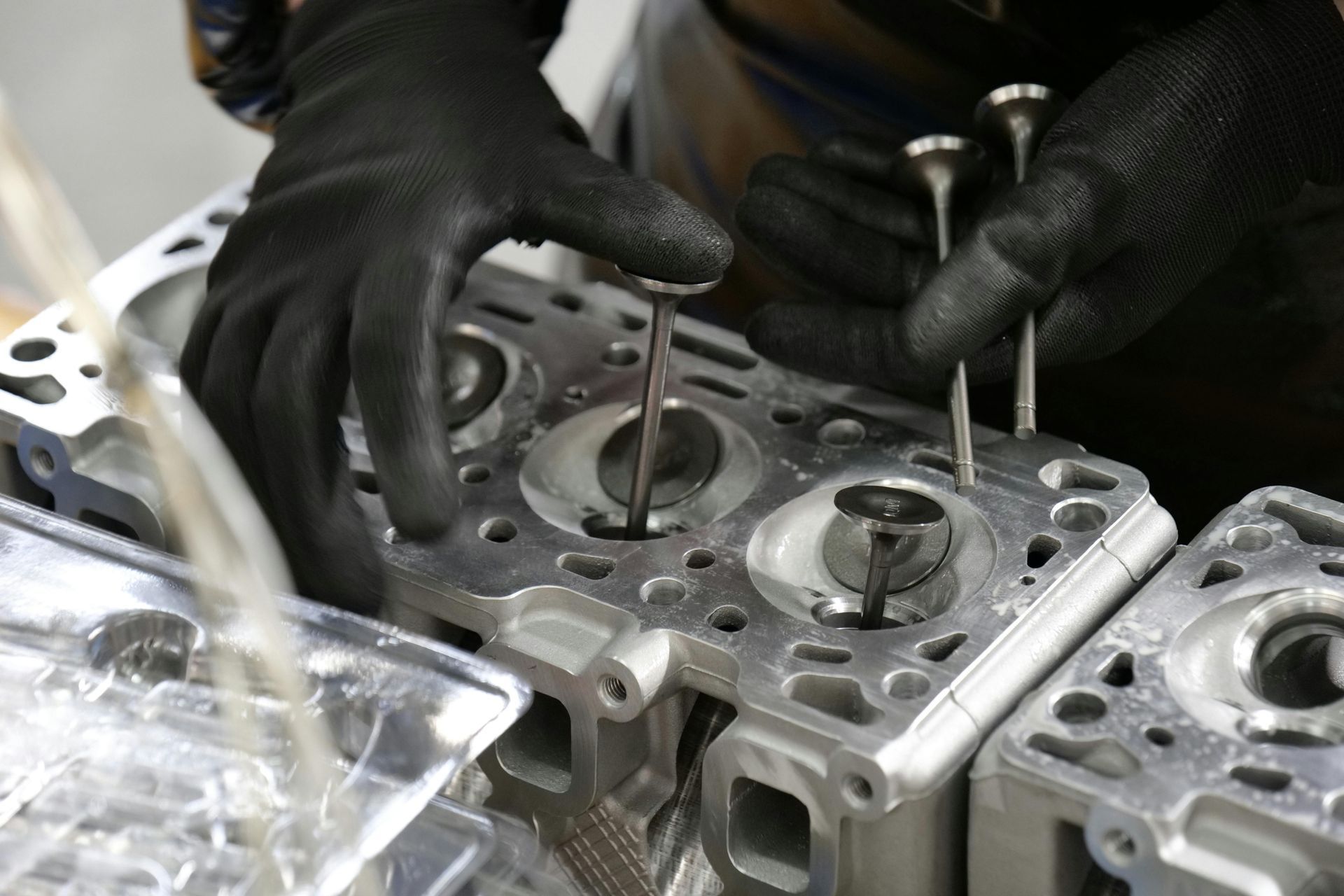
Poor Vehicle Hygiene If the timing belt breaks while driving in an interference engine, a type of four-stroke internal combustion piston engine, the valves travel to an area where an open piston may travel.
Group of auto shop employees posing inside the garage, with arms outstretched.
By Cary Car Care June 28, 2023
We are Cary Car Care and we would like to reintroduce ourselves! We have had quite a few changes over the last few years but there are some things that have stayed the same including Paul, Kelsey, and BJ! We’re still here and we’re still serving the Cary area for all your automotive needs!
By Cary Car Care June 1, 2023
At Cary Car Care, we are always striving to give the best possible value and service to our customers. We are excited to announce that we are increasing our warranty from 24 months/24,000 miles to 36 months/36,000 miles!
Dashboard showing the illuminated yellow engine light, indicating a possible malfunction.
By Cary Car Care January 4, 2023
What are P0420 and P0430 Codes? You’re driving to see an old friend and you notice your car is running a little sluggish, is chewing up fuel, and has lost some power. The check engine light illuminates. You continue down the road and you notice a sulfur odor emitting from the vehicle.

Gloved hand holding brake rotors; red, black, and white accents on glove.
By Cary Car Care July 21, 2022
When should you replace your brakes, and when is it okay to resurface? Brake failure is a scary prospect that we hope doesn’t keep you up at night! You always trust that when you put your brake pedal to the floor, your vehicle will slow to a stop.

Woman in hat sits in car trunk, studying a map. Rainy day.
By Cary Car Care July 6, 2022
It is once again that time of year when school winds down, the temperature goes up, and you may be thinking it’s time for a vacation. With travelling, you have to keep your transportation in mind and if you’re anything like us, you might like to take a roadtrip.
Hand pressing an A/C button on a black car dashboard.
By Cary Car Care June 22, 2022
The heat is back in North Carolina, so it most likely won’t take you long to notice if there is an issue with your vehicle’s cooling and heating system. The most obvious signs are the lack of heating or cooling of the air, no air circulation at all, or even a strange knocking noise.
Mechanic welds under a car in a shop, sparks flying.
By Cary Car Care January 21, 2022
What these essential parts contribute to your suspension system! Automobile technology has sped up in the last century. We have seen some of the more innovative and valuable developments in cars. Every manufacturer is looking for a way to improve the driving experience for their owners.

Seven auto mechanics in gray work shirts stand shoulder to shoulder in a garage, arms crossed.
By Cary Car Care January 7, 2021
Technician Spotlight In our thirty years of business, Cary Car Care has employed a number of technicians. In the last few years, we’ve been lucky to find two new technicians that have grown to be part of the family! Kurt Wolf and Bryan Johnson are both ASE-certified members of our team.
Collage celebrating 30 years of business with photos of people, products, and locations.
By Cary Car Care October 9, 2020
Show More