
Tires
Major Tire Components
Gain comprehensive knowledge about tires, covering everything from their components to selecting the ideal tire for your vehicle.
Tread
The tread is the outermost part of the tire that comes into direct contact with the road surface. It is designed with various patterns and grooves to provide traction, control, and to channel water away from the contact patch to prevent hydroplaning.
Sidewall
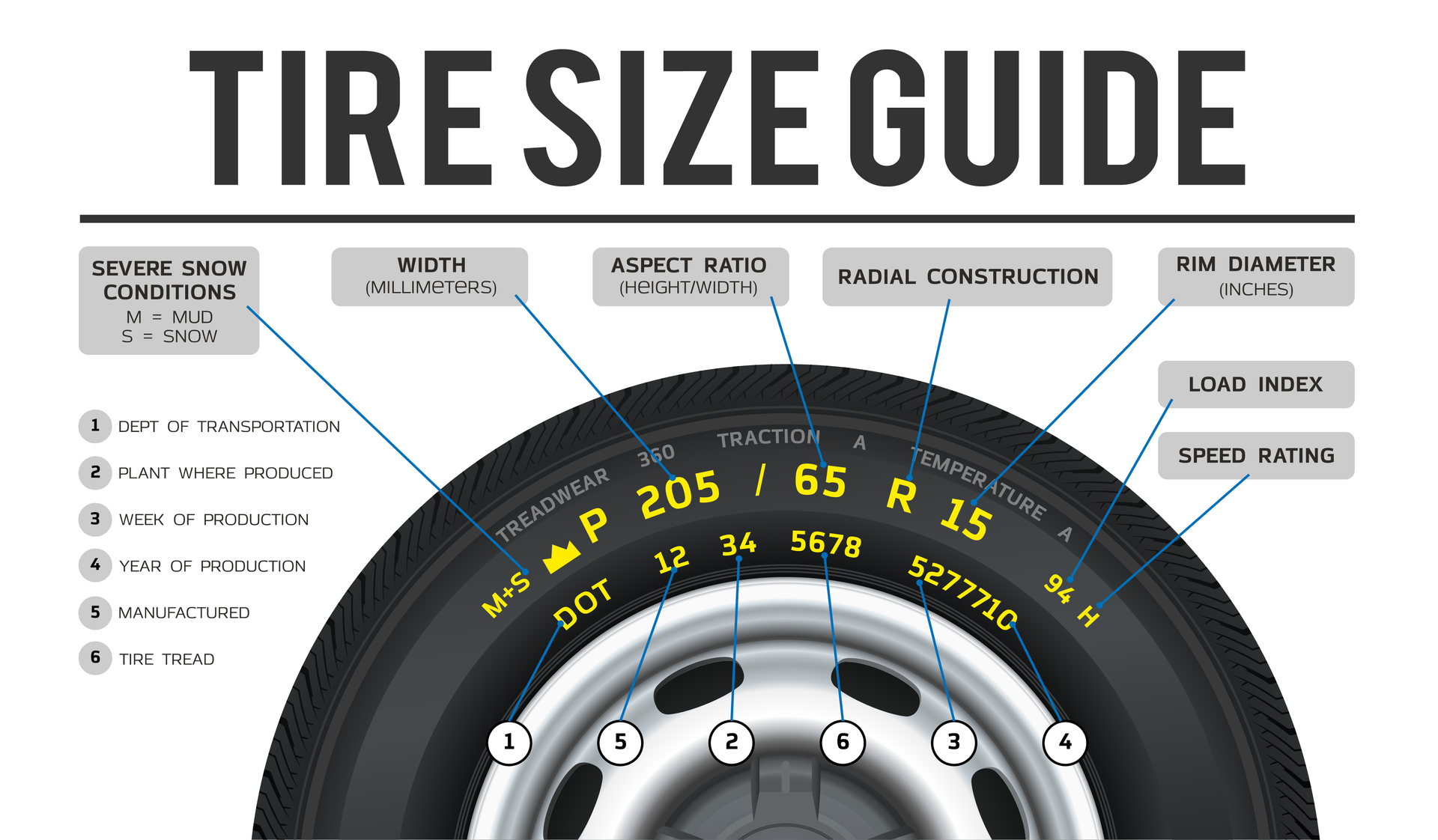
The sidewall is the vertical portion of the tire that bridges the tread and the bead. It provides structural integrity and flexibility, and contains important information about the tire's specifications.
Bead
The bead is the innermost edge of the tire that fits securely onto the rim of the wheel. It is made from high-strength steel wires encased in rubber, ensuring a tight fit and maintaining the tire’s position on the wheel.
Three Things to Consider When Choosing the Correct Tire
Tire Size & Specifications
Choosing the right tire size and specifications is crucial for ensuring a proper fit on your vehicle and optimal performance. Factors such as tire size, load index, and speed rating play a key role in this regard.
Driving Conditions & Climate
Different tires are designed for various driving conditions and climates. Choosing the right type ensures optimal performance, safety, and longevity.
Driving Style & Performance Needs
Your driving style and performance expectations influence the type of tire that will best meet your needs.
Discover the perfect tires for your vehicle.
Tires FAQ
What is included in a tire installation service?
Tire installation typically includes removing the old tires, mounting new tires onto the wheels, balancing each wheel and tire assembly, and installing them back on the vehicle. Some services may also include valve stem replacement, tire pressure monitoring system (TPMS) reset, and a basic inspection of the tire and wheel components.How long does a tire installation take?
A standard tire installation service usually takes about 45 minutes to an hour, depending on the number of tires being installed and whether additional services, like wheel balancing or alignment, are performed at the same time.Do I need an alignment after installing new tires?
While an alignment isn’t always required after installing new tires, it’s highly recommended. Proper alignment ensures that your new tires wear evenly and your vehicle handles correctly, improving overall performance and extending tire lifeHow do I know when it’s time to replace my tires?
Tires should be replaced when the tread depth is 2/32 of an inch or less, when you notice cracks, bulges, or sidewall damage, or if you experience frequent loss of air pressure. Regular inspections and tire rotations can help identify when it’s time for new tires.Can I install tires of a different size on my vehicle?
While it's possible to install tires of a different size, it's important to consult your vehicle's manufacturer guidelines or speak with a tire professional. Installing incorrect tire sizes can affect vehicle performance, safety, and handling.Is it necessary to replace all four tires at once?
Ideally, all four tires should be replaced at the same time for optimal handling and performance. However, if replacing all four isn’t possible, replacing two tires and installing them on the rear axle is recommended for better stability and traction.Do you offer road hazard protection for new tires?
Many tire installation services offer optional road hazard protection, which covers tire repairs or replacements due to unexpected road damage like punctures or impact breaks. Ask about available protection plans during your installation appointment.How should I care for my new tires after installation?
To ensure longevity and optimal performance, regularly check tire pressure, rotate your tires every 5,000 to 6,000 miles, and maintain proper wheel alignment. Avoid aggressive driving habits like hard braking or sharp turns that can wear down your tires prematurely.