
The Importance of Wheel Alignment


By  September 15, 2026

Understanding Wheel Alignment

Wheel alignment is a crucial aspect of vehicle maintenance. It ensures your car handles well and drives safely.

Proper alignment means your tires meet the road at the right angle. This improves handling and extends tire life.


Misalignment can lead to uneven tire wear and poor fuel efficiency. It can also cause your vehicle to pull to one side. Many drivers wonder if new tires need alignment. While not always necessary, it's often recommended for optimal performance.


Regular alignment checks are vital. They help prevent costly repairs and maintain your vehicle's safety.

Understanding what a wheel alignment does can save you money and enhance your driving experience.

What Is Wheel Alignment?

Wheel alignment is the process of adjusting the angles of the wheels. These adjustments ensure the wheels are parallel and perpendicular to the ground. This is necessary for safe, efficient driving.


When a vehicle is properly aligned, its wheels meet the road at precise angles. This helps the car travel straight without pulling to the side. Several components are adjusted during an alignment:


  • Camber: the inward or outward tilt of the tire.


  • Caster: the angle of the steering pivot.


  • Toe: the direction the tires point relative to the centerline.


Proper alignment offers several benefits. It enhances tire performance and improves handling. This can make driving smoother and more comfortable.

Wheel alignment should not be confused with tire balancing. While alignment focuses on the angles, balancing addresses weight distribution. Both are essential for maintaining your vehicle's performance and safety.

How Does Wheel Alignment Work?

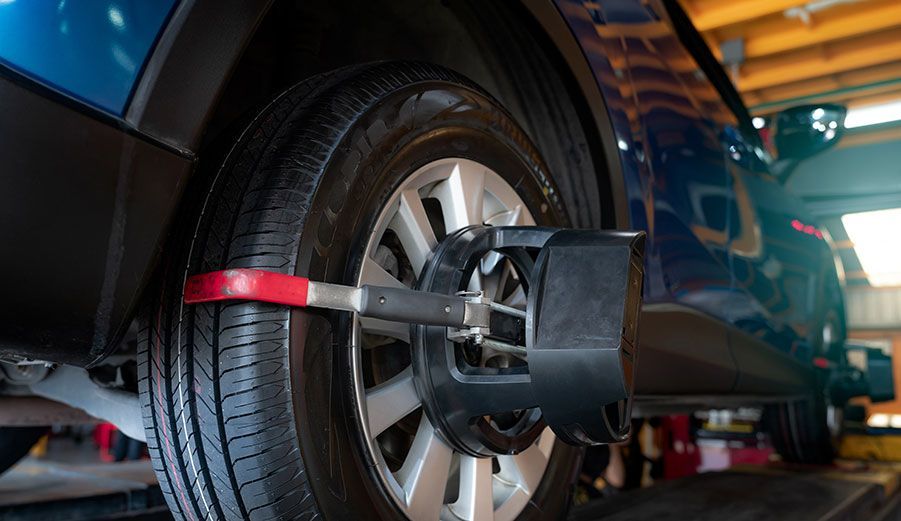
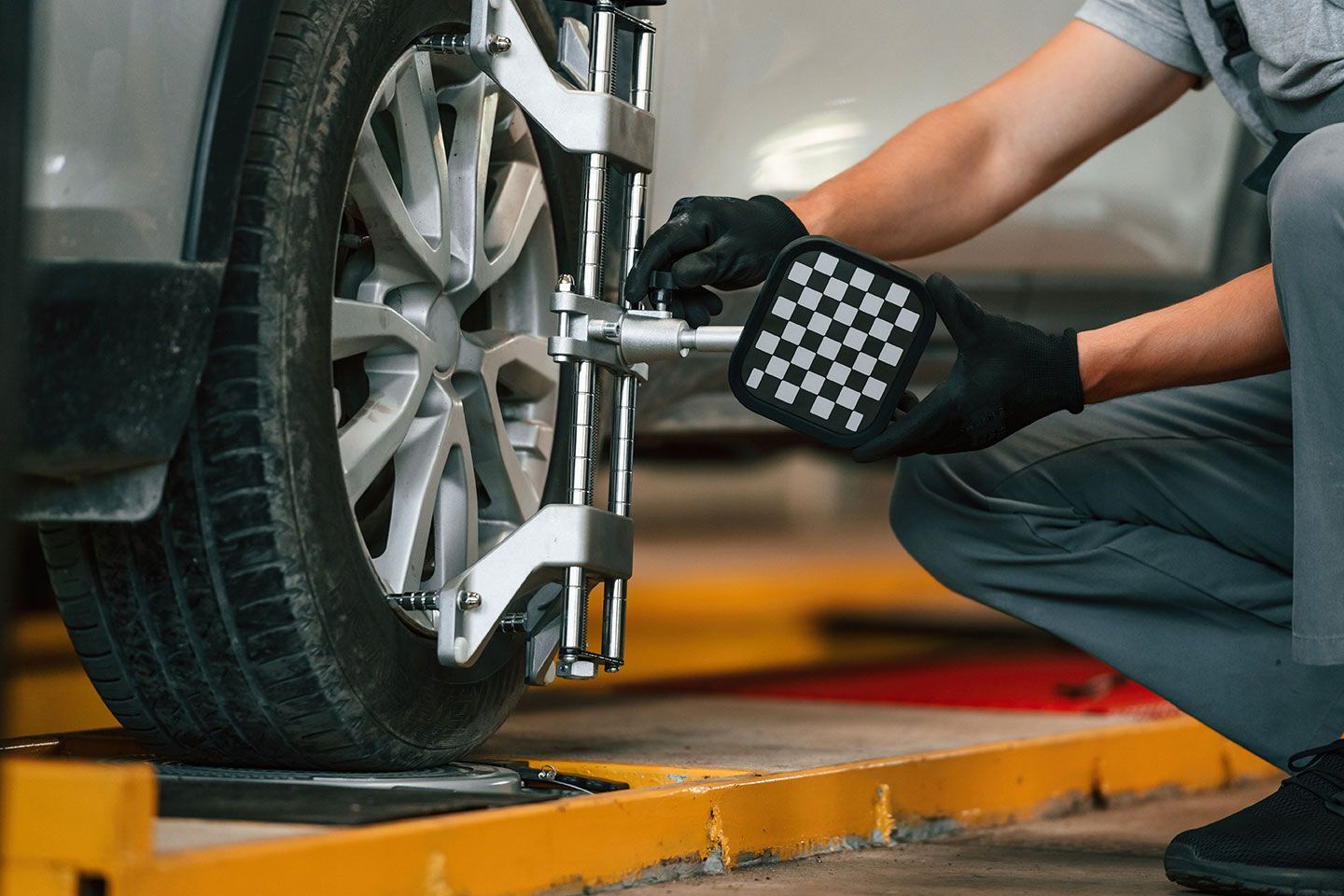
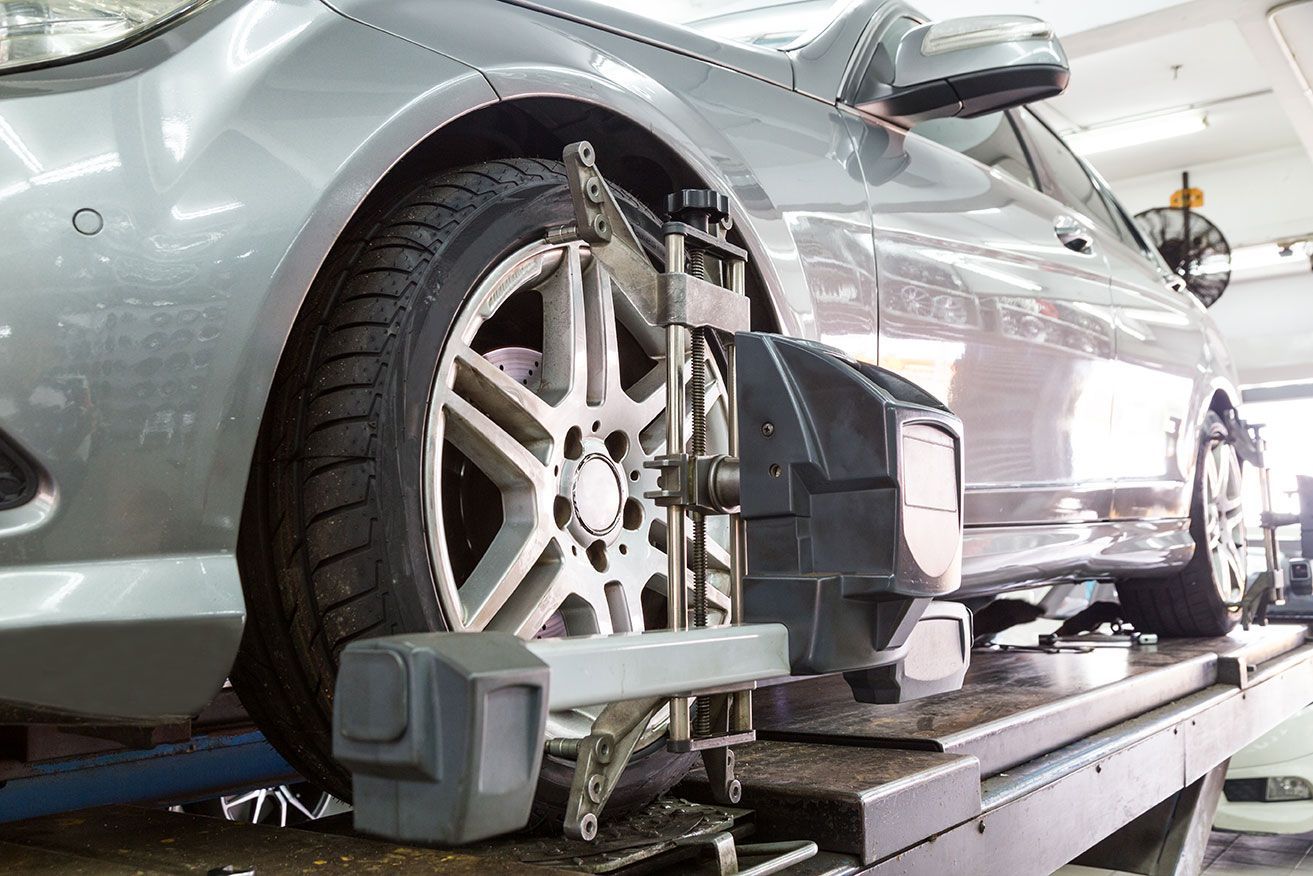
Wheel alignment involves precise adjustments using advanced technology. Technicians use specialized equipment to measure wheel angles. This equipment ensures alignment meets manufacturer specifications.


The process begins with a thorough inspection. Technicians check tire wear patterns and suspension components. This helps identify any underlying issues before adjustments.


During alignment, three key angles are adjusted:


  • Camber: affects tire tilt and traction.


  • Caster: influences steering stability.


  • Toe: ensures tires point in the right direction.


Adjusting these angles requires skill and precision. Technicians use computerized tools for accuracy. This ensures optimal vehicle performance and safety.

Once adjustments are complete, a test drive confirms results. This guarantees the vehicle handles correctly on the road. Proper alignment enhances driving safety and comfort, making it an essential maintenance task.

Why Is Wheel Alignment Important?

Proper wheel alignment is crucial for several reasons. Firstly, it significantly enhances driving safety. Well-aligned wheels ensure better handling and control, preventing hazardous situations.


Misalignment leads to uneven tire wear, which can become costly. Tires wear out faster and unevenly, necessitating frequent replacements. This not only impacts your budget but also compromises safety.

Additionally, wheel alignment improves fuel efficiency. When tires are properly aligned, they roll smoothly, reducing resistance. This results in better gas mileage, saving you money over time.


The benefits of proper alignment include:


  • Extended tire lifespan


  • Increased driving comfort


  • Reduced vehicle vibrations


Ignoring alignment can cause other problems. Misalignment may damage suspension components and affect braking performance. Regular checks prevent such issues, ensuring the longevity of your vehicle.

Incorporate wheel alignment into your maintenance routine. This will keep your car running smoothly and safely.

Signs Your Vehicle Needs an Alignment

There are several indicators that suggest a wheel alignment is needed. These signs can help you recognize potential alignment issues early.


One clear sign is when your vehicle pulls to one side. If you constantly steer to keep your car straight, misalignment might be the culprit. Uneven tire wear is another indication. Inspect your tires for irregular patterns, as these often signal an alignment problem.

Pay attention to your steering wheel. If it’s off-center or vibrates while driving, you might need an alignment check. Watch out for:


  • Vehicle is pulling to one side


  • Uneven or unusual tire wear


  • Off-center or vibrating steering wheel


If you notice any of these symptoms, schedule an alignment service soon. Ignoring these signs can lead to more severe issues and costly repairs. Maintaining proper alignment ensures safety and performance.

Do New Tires Need Alignment?

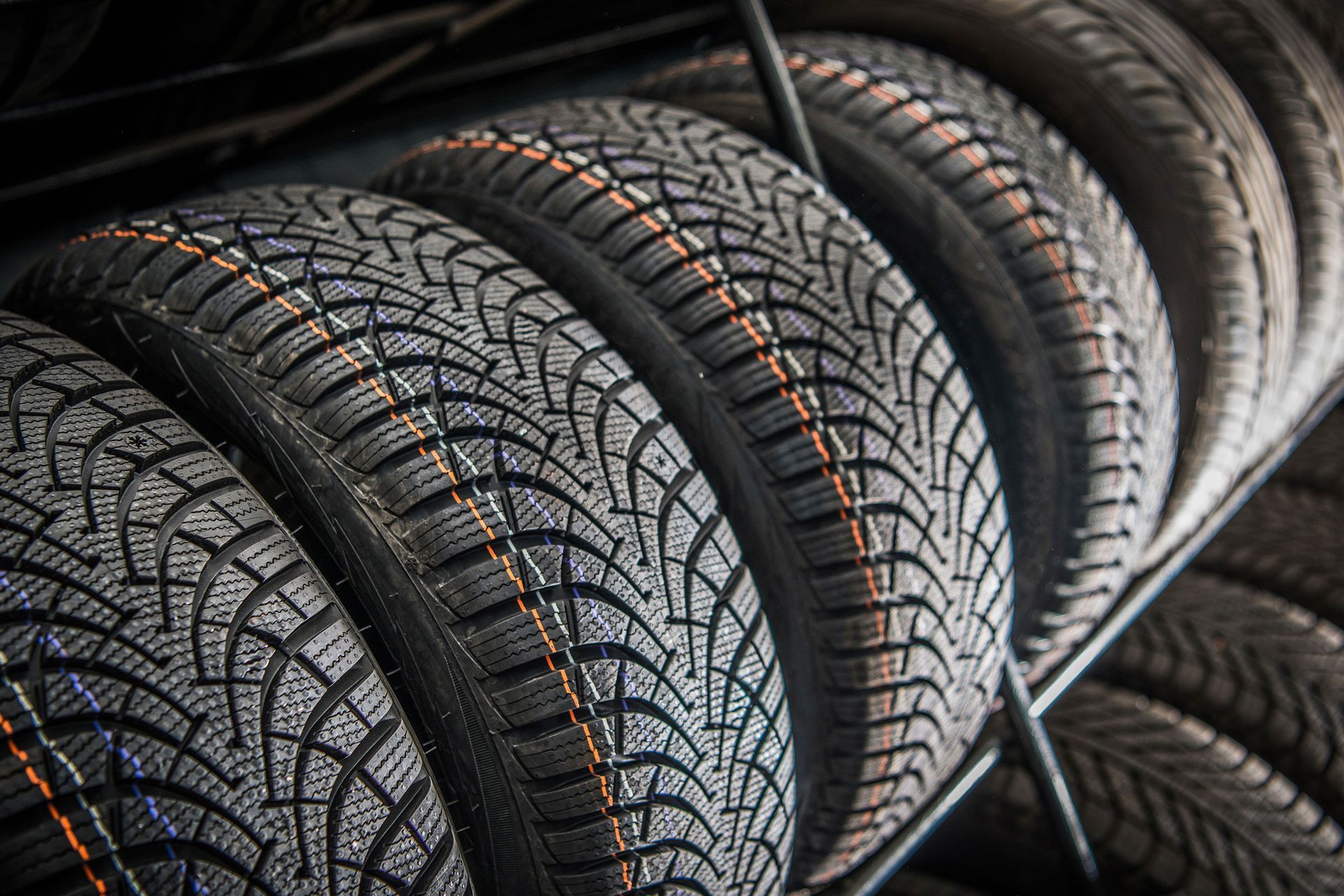
Installing new tires is an ideal time to consider wheel alignment. Although not always required, alignment helps in optimizing tire performance.

New tires are a significant investment. Ensuring proper alignment can enhance their lifespan and functionality.


Misaligned wheels can cause tires to wear unevenly, wasting your investment.

Aligning your wheels with new tires can prevent premature wear. This small step can save money and ensure safe driving.


Here are reasons alignment is recommended with new tires:


  • Extends tire life


  • Prevents uneven tire wear


  • Enhances vehicle handling


While new tires don’t automatically need alignment, it's a good preventive measure. Checking alignment ensures you get the best performance from your new tires. It's a simple step for long-term benefits.

How Often Should Tires Be Aligned?

Regular alignment checks are essential for maintaining vehicle health. Many experts suggest aligning tires every 6,000 to 10,000 miles. However, checking the vehicle manual for specific recommendations is wise.


Several factors influence alignment frequency. Road conditions, driving habits, and vehicle type all play roles. More frequent checks may be needed if you often drive on rough roads or have large tires.


Consider these alignment guidelines:


  • Check alignment with each tire rotation


  • Inspect alignment after significant impacts, like hitting a pothole


  • Align tires if unusual wear patterns appear


Regular alignment checks help preserve tire longevity. They also enhance safety by ensuring your car handles as it should. Consistent maintenance can prevent costly repairs down the road.

What Happens During a Professional Alignment Service?

When you take your car for a professional alignment service, technicians use specialized equipment. This equipment measures your vehicle's current wheel angles accurately. They adjust these angles to match manufacturer specifications.


The process focuses on three key angles: camber, caster, and toe. Camber is the wheel's tilt when viewed from the front. Caster is the angle of the steering pivot, and toe refers to the direction the tires point.


A typical alignment service includes:


  • Pre-alignment inspection


  • Precise angle adjustments


  • Test drive to ensure accuracy


Technicians may perform a test drive after adjustments. This ensures the alignment meets performance standards. Proper alignment minimizes tire wear and improves vehicle handling. Regularly scheduling these services can enhance overall vehicle safety and efficiency.

Wheel Alignment vs. Tire Balancing

Understanding the difference between wheel alignment and tire balancing is key to proper tire maintenance. Both services improve your driving experience but target different issues. Wheel alignment focuses on the angles of the wheels.


Tire balancing deals with distributing weight evenly around the tire. Key differences include:


  • Alignment adjusts wheel angles.


  • Balancing distributes tire weight.


  • Both enhance vehicle stability.

Wheel Alignment Maintenance Tips

Regular wheel alignment checks are a crucial part of maintaining your vehicle. They help in preventing issues before they escalate. Simple practices can make a significant difference in tire life and performance.


Consider these maintenance tips:


  • Check alignment every 6,000 to 10,000 miles.


  • Avoid hitting curbs and potholes.


  • Monitor tire wear patterns regularly.


By following these tips, you can ensure your wheels stay aligned, resulting in safer and smoother rides. Additionally, proper maintenance can protect your investment and reduce long-term repair costs.

Making Alignment Part of Your Maintenance Routine

Incorporating regular wheel alignment into your vehicle maintenance routine is essential. It ensures safety and enhances driving comfort. Proper alignment reduces tire wear and boosts fuel efficiency.


Neglecting alignment checks can lead to costly repairs down the road. Make wheel alignment a priority to maintain your vehicle's performance and longevity. With regular attention, you can enjoy a smooth ride and peace of mind on every journey.


Contact Us

SHARE THIS

Latest Posts

September 15, 2026
Car Battery Lifespan and Maintenance
Hands wearing black gloves assembling engine parts.
By Cary Car Care July 4, 2023
Poor Vehicle Hygiene If the timing belt breaks while driving in an interference engine, a type of four-stroke internal combustion piston engine, the valves travel to an area where an open piston may travel.
Group of auto shop employees posing inside the garage, with arms outstretched.
By Cary Car Care June 28, 2023
We are Cary Car Care and we would like to reintroduce ourselves! We have had quite a few changes over the last few years but there are some things that have stayed the same including Paul, Kelsey, and BJ! We’re still here and we’re still serving the Cary area for all your automotive needs!

By Cary Car Care June 1, 2023
At Cary Car Care, we are always striving to give the best possible value and service to our customers. We are excited to announce that we are increasing our warranty from 24 months/24,000 miles to 36 months/36,000 miles!

Dashboard showing the illuminated yellow engine light, indicating a possible malfunction.
By Cary Car Care January 4, 2023
What are P0420 and P0430 Codes? You’re driving to see an old friend and you notice your car is running a little sluggish, is chewing up fuel, and has lost some power. The check engine light illuminates. You continue down the road and you notice a sulfur odor emitting from the vehicle.

Gloved hand holding brake rotors; red, black, and white accents on glove.
By Cary Car Care July 21, 2022
When should you replace your brakes, and when is it okay to resurface? Brake failure is a scary prospect that we hope doesn’t keep you up at night! You always trust that when you put your brake pedal to the floor, your vehicle will slow to a stop.

Woman in hat sits in car trunk, studying a map. Rainy day.
By Cary Car Care July 6, 2022
It is once again that time of year when school winds down, the temperature goes up, and you may be thinking it’s time for a vacation. With travelling, you have to keep your transportation in mind and if you’re anything like us, you might like to take a roadtrip.

Hand pressing an A/C button on a black car dashboard.
By Cary Car Care June 22, 2022
The heat is back in North Carolina, so it most likely won’t take you long to notice if there is an issue with your vehicle’s cooling and heating system. The most obvious signs are the lack of heating or cooling of the air, no air circulation at all, or even a strange knocking noise.
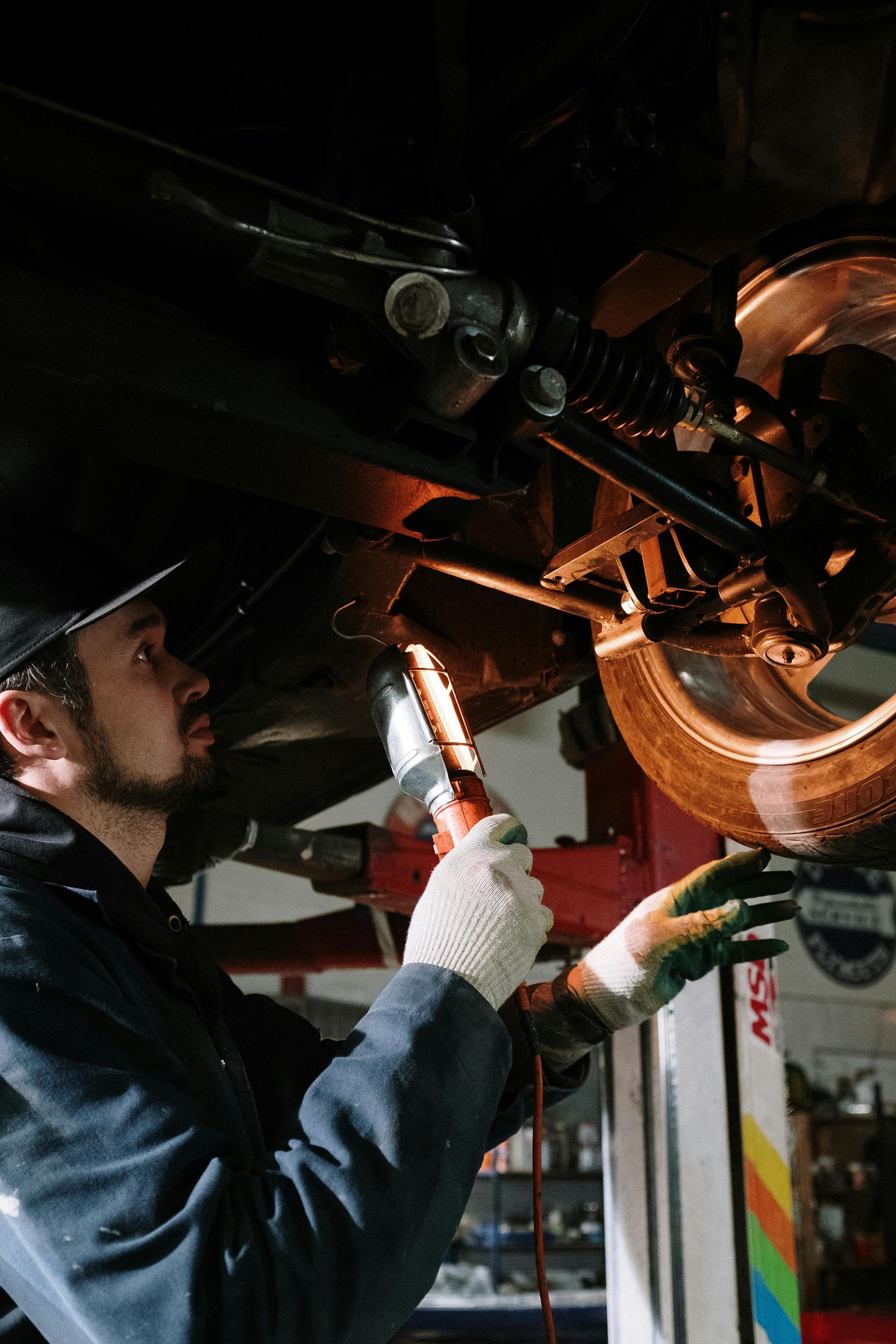
Mechanic welds under a car in a shop, sparks flying.
By Cary Car Care January 21, 2022
What these essential parts contribute to your suspension system! Automobile technology has sped up in the last century. We have seen some of the more innovative and valuable developments in cars. Every manufacturer is looking for a way to improve the driving experience for their owners.
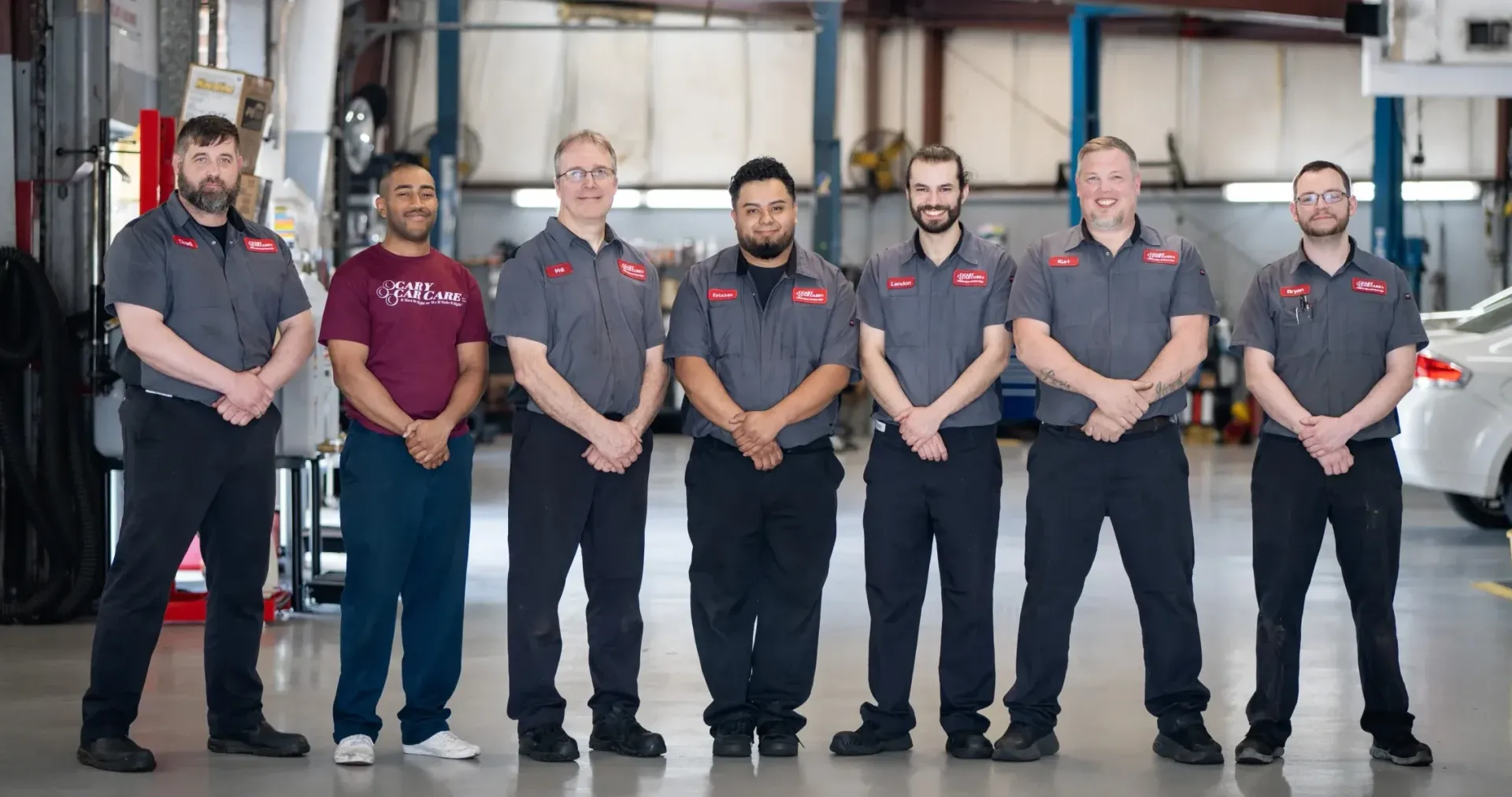
Seven auto mechanics in gray work shirts stand shoulder to shoulder in a garage, arms crossed.
By Cary Car Care January 7, 2021
Technician Spotlight In our thirty years of business, Cary Car Care has employed a number of technicians. In the last few years, we’ve been lucky to find two new technicians that have grown to be part of the family! Kurt Wolf and Bryan Johnson are both ASE-certified members of our team.

Show More