Why Tire Tread Depth Matters for Safety
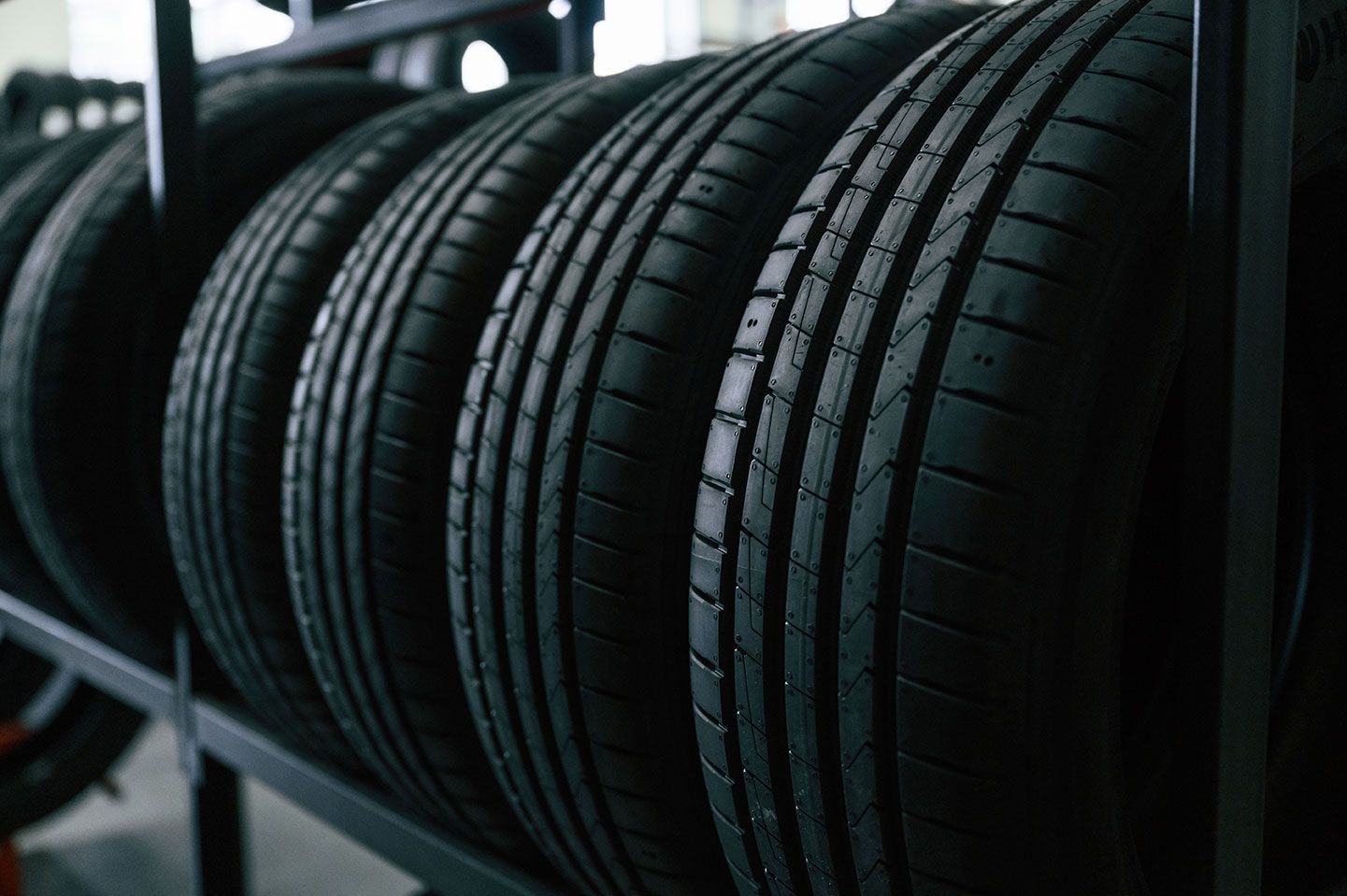
Tire tread depth plays a vital role in vehicle safety. Deep tread grooves help channel water away, reducing the risk of hydroplaning. They provide the necessary grip for effective braking.
Worn tire treads compromise traction. This leads to longer stopping distances and decreased control. Proper tread depth is essential for optimal braking performance and vehicle stability.
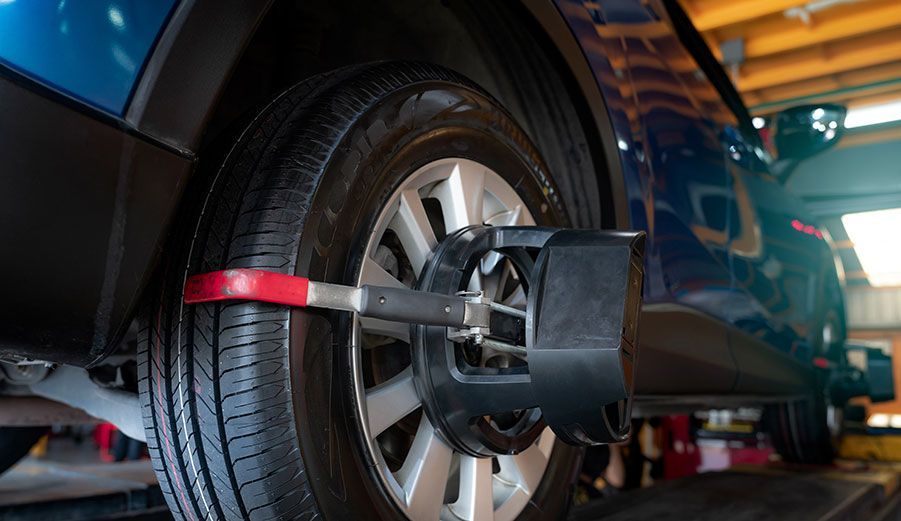
Tire tread wear can indicate issues with vehicle alignment or suspension. Identifying these problems early can prevent costly repairs and accidents. Regular inspection of tread ensures a safer driving experience.
A tire with adequate tread depth enhances handling and control. It contributes to a smoother ride and reduced road noise. Recognizing the importance of tire tread helps in making informed tire maintenance decisions.
Key benefits of proper tire tread depth include:
- Improved traction and handling
- Enhanced braking capabilities
- Reduction in hydroplaning risk
Legal Requirements and Recommendations for Tire Tread Depth
Understanding the legal requirements for tire tread depth is crucial. Most regions mandate a minimum tread depth of 2/32 of an inch. Falling below this level can result in fines and increased safety risks.
Manufacturers often suggest replacing tires before reaching the legal minimum. A common recommendation is around 4/32 of an inch for optimal safety. Keeping track of tread depth can prevent legal issues and enhance road safety.
Each type of tire might have different recommendations. Winter and all-weather tires often need deeper tread. Following these guidelines helps maintain performance and safety.
To summarize the key recommendations:
- Check tread depth regularly
- Replace tires at 4/32 of an inch
- Be aware of specific tire type requirements
Recognizing Tire Tread Wear: Signs and Causes
Tire tread wear is a common issue affecting vehicle safety. Recognizing the signs early can prevent further damage. Uneven tread wear is a key indicator of potential problems.
This wear pattern might signify issues like improper alignment or suspension faults. External factors also play a role in tire condition. Driving habits, such as hard braking and quick turns, can increase wear.
Another sign is when tread wear indicators, built into the tires, become visible. These appear as bars running across the tire's grooves. Noticing these indicators means the tires are nearing the end of their life.
To keep your tires in good shape, watch for these warning signs:
- Uneven tread wear patterns
- Visible tread wear indicators
Addressing these issues promptly helps avoid accidents and costly repairs. Regular inspections ensure your tires are safe for driving.
How to Check Tire Tread: Simple At-Home Methods
Checking tire tread at home is easy and cost-effective. You can employ a couple of simple techniques. These methods require minimal tools and offer a quick snapshot of your tire condition.
Start by examining tread with a visual inspection. Look for uneven wear patterns and visible tread bars. This step helps identify apparent issues.
A more precise approach involves household items. The penny and quarter tests are quick and easy. These tests don't need special tools and provide immediate results.
Moreover, consider these helpful items for a successful inspection:
- Tread depth gauge for accuracy
Remember, regular checks are vital. They improve vehicle handling and prolong tire life. For best results, incorporate these methods into your routine car maintenance. Keeping an eye on tread depth prevents accidents and maintains vehicle performance.
The Penny Test and Quarter Test Explained
Using the penny test is simple. Insert a penny into the tire groove with Lincoln's head down. If you see the top of his head, the tread is too shallow.
The quarter test is similar yet more reliable. Insert a quarter, Washington's head down. If you can see the top of his head, tread depth is lower than 4/32 of an inch.
Why use these tests? They're quick and require everyday items. Here's how they compare:
- Penny test: Indicates tread below 2/32 of an inch.
- Quarter test: Shows tread below 4/32 of an inch.
- Both tests: Easy and no special tools required.
These tests give a fast estimate of tire condition. Conduct them regularly for safety. They alert you when it's time to replace tires.
Using a Tread Depth Gauge for Accurate Results
For precise measurements, a tread depth gauge is invaluable. This tool offers accuracy that visual checks cannot. It measures tread depth down to fractions of an inch.
To use, insert the probe into a tire groove. Press until the base of the gauge rests against the tire. Read the measurement for an exact depth indicator.
Benefits of a tread depth gauge:
- Accuracy: Provides precise readings.
- Easy to use: Simple design makes it user-friendly.
- Affordable: Often inexpensive and available at auto stores.
This method is ideal for those wanting detailed information. Regular use can pinpoint problems before they escalate. This proactive approach enhances safety and prolongs tire lifespan.
Understanding Tread Wear Indicators on Modern Tires
Modern tires come equipped with tread wear indicators. These are small bars located within the tire grooves. They are crucial for identifying when tires should be replaced.
As tires wear down, these indicators become visible. They typically run across the tread width. When they are flush with the tread surface, it's time for new tires. This is a visual cue from the manufacturer to avoid unsafe driving conditions.
Advantages of using tread wear indicators include:
- Ease of detection: No tools are needed.
- Built-in design: Indicators are part of the tire itself.
- Reliable warning: They alert before reaching unsafe tread levels.
It's important to check these indicators often. Doing so ensures awareness of your tire's condition. When indicators are visible, act quickly to maintain safety.
When to Replace Your Tires: Key Warning Signs
Knowing when to replace your tires is vital for safety. Worn tires can jeopardize traction and handling. Recognizing early warning signs can prevent accidents.
Several key indicators suggest it's time to replace tires. These include visible tread wear indicators and tread depth reaching 2/32 of an inch. It’s crucial to be proactive when these signs appear.
Look for other signs of wear, too. Uneven tread patterns or cracks in the rubber can indicate aging. Bulges or blisters on the sidewalls suggest internal damage.
Watch for these warning signs:
- Cracks or splits in the rubber
Regular inspections can help spot these issues. In Cary, NC, varied weather requires careful attention to tire health. Replacing tires promptly ensures better road performance and safety.
Tips for Preventing Uneven Tire Tread Wear
Uneven tire tread wear can signal broader vehicle issues. Addressing these promptly can extend tire life. Simple steps can prevent uneven wear.
Regular
tire rotation is essential. Rotating tires every 5,000 to 7,500 miles ensures even wear. This practice helps balance the tread across all tires.
Proper
vehicle alignment is also important. Misalignment can cause tires to wear unevenly. Routine checks and adjustments can prevent these issues.
Preventive tips include:
- Rotating tires frequently
- Ensuring correct wheel alignment
- Keeping tires properly inflated
- Checking for balance issues
Keeping your tires in good condition boosts safety and performance. Regular maintenance, especially in Cary's varied climate, is critical. Good habits protect your tire investment.
Tire Maintenance Best Practices for Cary, NC Drivers
Cary, NC's climate demands diligent tire maintenance. Weather changes can impact tire performance. Drivers should adapt by following best practices for tire care.
Regular inspections are crucial. Look for signs of wear, cuts, or punctures. Routine checks can prevent unexpected issues on the road.
Keeping tires inflated properly is key. Incorrect pressure can cause premature tread wear. Monitor
tire pressure monthly, especially during temperature shifts.
Key practices include:
- Inspecting tires regularly
- Maintaining proper air pressure
- Checking tread depth frequently
Caring for your tires in Cary's environment helps ensure safety and optimal vehicle performance. Consistent maintenance prolongs tire life and enhances driving comfort.
Conclusion: Stay Safe by Checking Tire Tread Regularly
Tire tread depth is vital for safe driving. Regular checks help identify issues early, preventing accidents.
By maintaining good tread depth, you're investing in your safety. Make checking tire tread part of your routine. It ensures peace of mind and enhances overall vehicle performance.