Understanding Car Battery Lifespan and Maintenance
By • September 15, 2026

Car Battery Lifespan and Maintenance
A car battery is essential for your vehicle's operation. It powers the engine and electrical systems. Understanding its lifespan and maintenance is crucial for car owners. Car batteries typically last between three to five years. However, various factors can affect this lifespan.
Climate, driving habits, and maintenance play significant roles. Regular maintenance can extend your battery's life. Simple actions like cleaning terminals and checking voltage can make a difference.
Recognizing signs of a failing battery is important. Slow engine cranks and dim lights are common indicators.
Replacing a car battery is sometimes necessary. Knowing when and how to do it can prevent unexpected breakdowns.
What Is a Car Battery and How Does It Work?
A car battery is a rechargeable power source for vehicles. It provides the initial burst of energy to start the engine. Once the car starts, it powers the electrical systems. Lights, radio, and other electronics rely on the battery.
Inside, lead plates and acid create a chemical reaction. This reaction produces electricity.
Car batteries have positive and negative terminals. These connect to the car's electrical system.
Some key functions of a car battery include:
- Starting the vehicle's engine
- Powering onboard electronics
- Stabilizing the voltage flow

Understanding how a car battery works is essential. It helps in maintaining and troubleshooting issues. Proper care ensures efficient operation and longer life. Knowledge of its workings helps in making informed decisions about replacements.
Average Car Battery Lifespan: What to Expect
Car batteries typically last between three to five years. Lifespan can vary depending on several conditions. Proper care and maintenance extend battery life. Many factors impact a car battery's lifespan.
For instance, weather plays a significant role. Extreme temperatures often lead to quicker depletion.
Driving habits also influence longevity. Consistently short trips prevent full charging. This can gradually reduce the battery's effective life.
Without regular checks, a failing battery might catch you by surprise. Always test and inspect your battery at regular intervals.
To ensure optimal performance, consider these practices:
- Avoid frequent short journeys
- Check for corrosion and cleanliness
- Test the battery regularly

Expecting the unexpected can save you time and stress. By acknowledging these factors, you can better predict and plan for your car battery's replacement needs.
Factors That Affect Car Battery Life
Several factors can significantly impact the lifespan of a car battery. Understanding these can help in extending its longevity. Let's delve into the main influences. Climate plays a huge role in battery health. Cold temperatures can halve a battery's capacity. Conversely, extreme heat can cause fluids to evaporate, damaging the battery internally.
Driving habits are another major factor. Frequent short trips hinder the battery from reaching a full charge. Similarly, infrequent use may lead to battery discharge. Maintenance practices also affect battery life. Neglecting to clean battery terminals can lead to corrosion. This may result in poor performance or even failure.
Additionally, the vehicle's electrical system condition matters. If the alternator fails to charge the battery properly, its lifespan can be compromised.
Consider these to optimize lifespan:
- Maintain clean and corrosion-free terminals
- Avoid excessive idling and short trips
- Park in shaded or moderate climate areas

By being mindful of these factors, you can significantly improve your car battery's lifespan. Regular care ensures it remains reliable and efficient.
Signs Your Car Battery Needs Attention or Replacement
It's vital to recognize the symptoms of a failing car battery. Early detection can prevent inconvenient breakdowns.One common sign is a slow engine crank. If your car struggles to start, it might be time to check the battery.
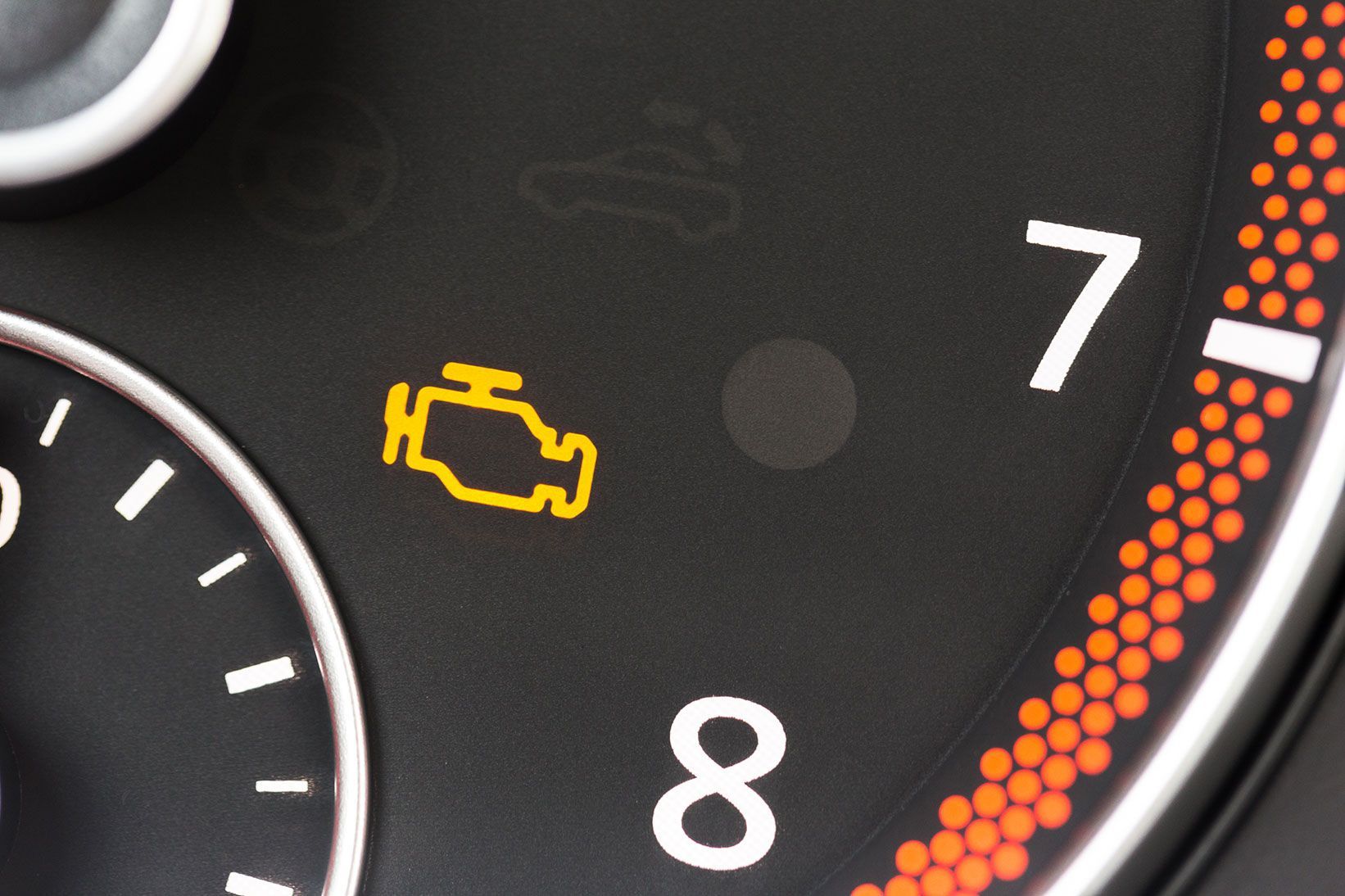
Dim headlights can also indicate a weak battery. When lights lose brightness, it often signals diminished battery capacity. Another warning is the activation of the check engine light. Although it covers various issues, a failing battery can trigger this alert.
Look for corrosion on battery terminals. It affects connectivity and can hinder performance.
Be mindful of these warning signs:
- Slow engine starting
- Dim or flickering lights
- Corroded battery terminals

By staying alert to these symptoms, you can avoid unexpected battery failures. Swift action can ensure your vehicle remains reliable on the road.
Essential Car Battery Maintenance Tips
Proper maintenance can significantly extend a car battery's life. Simple, regular checks can prevent costly replacements. Firstly, keep your battery clean. Dirt and debris can cause corrosion on terminals, affecting performance.
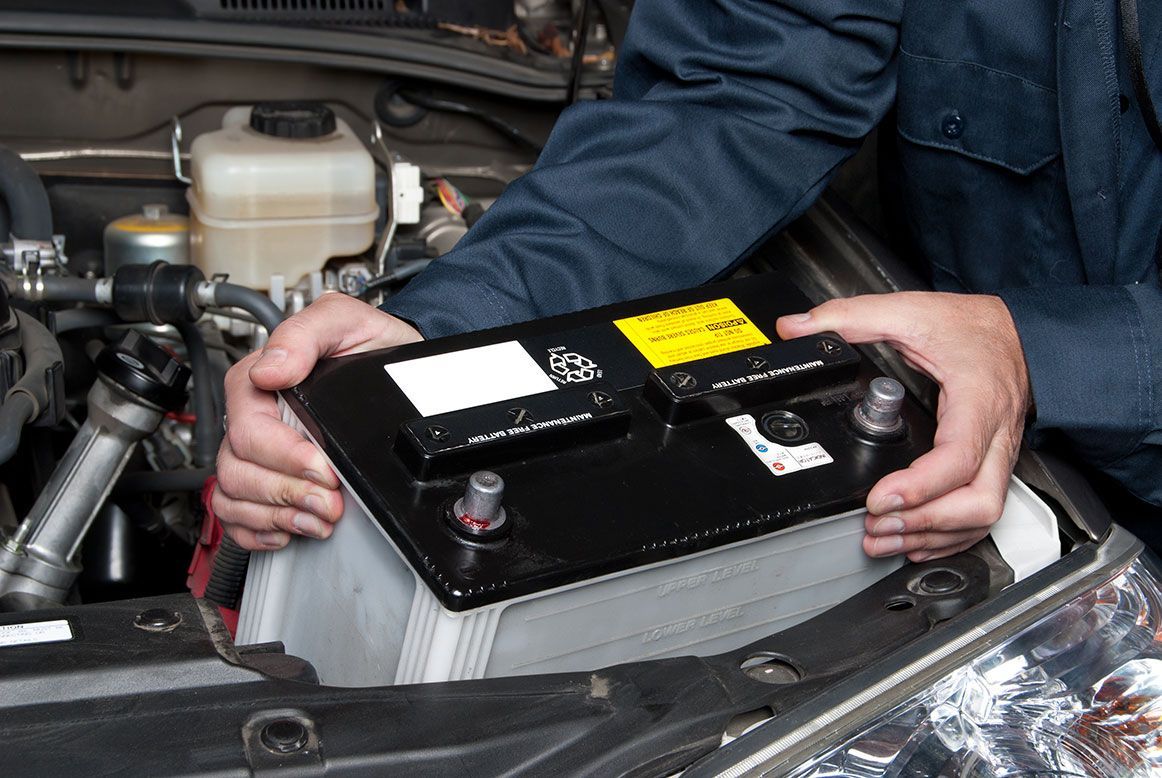
Ensure that your battery is tightly secured in its tray. A loose battery can vibrate, leading to damage. Also do
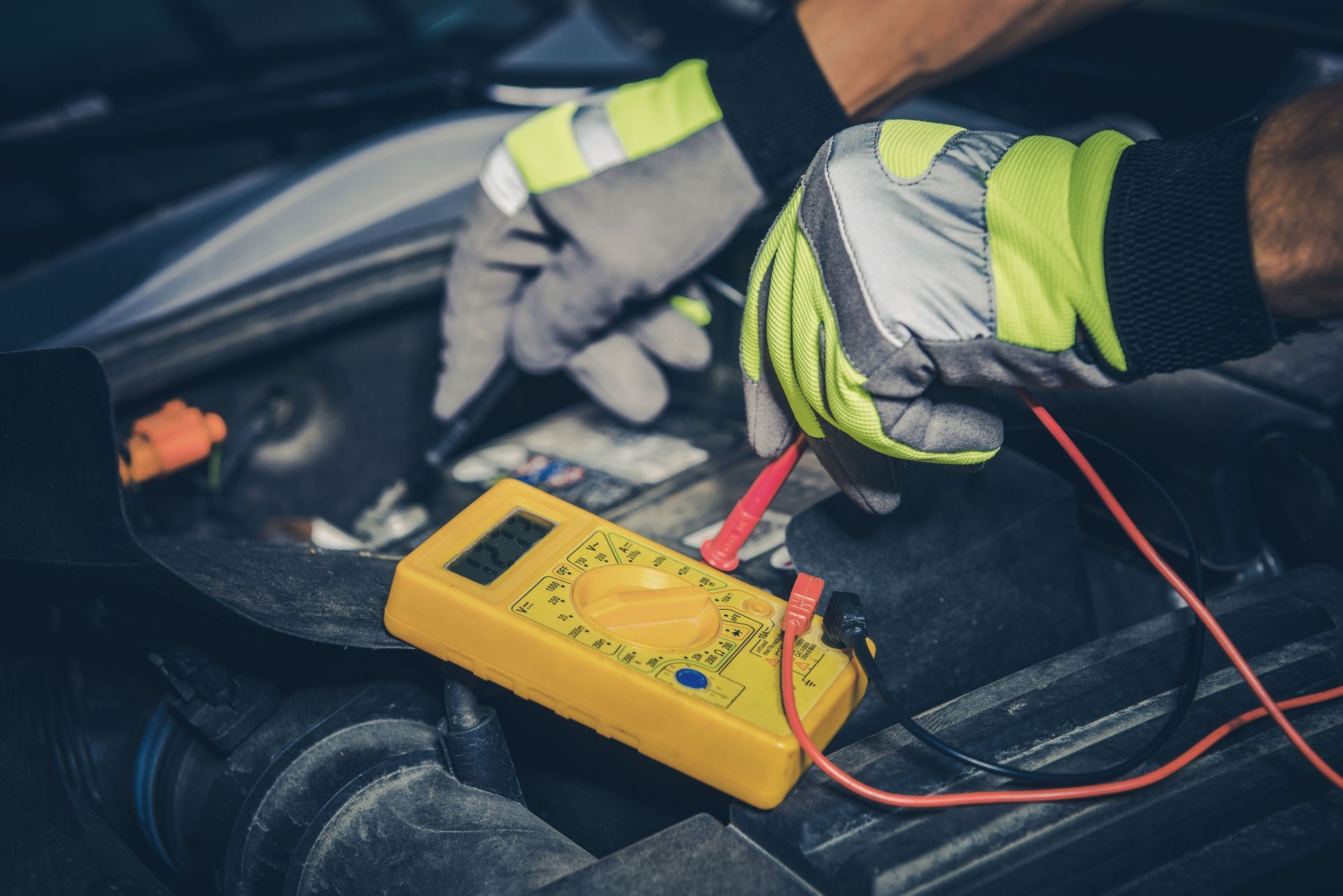
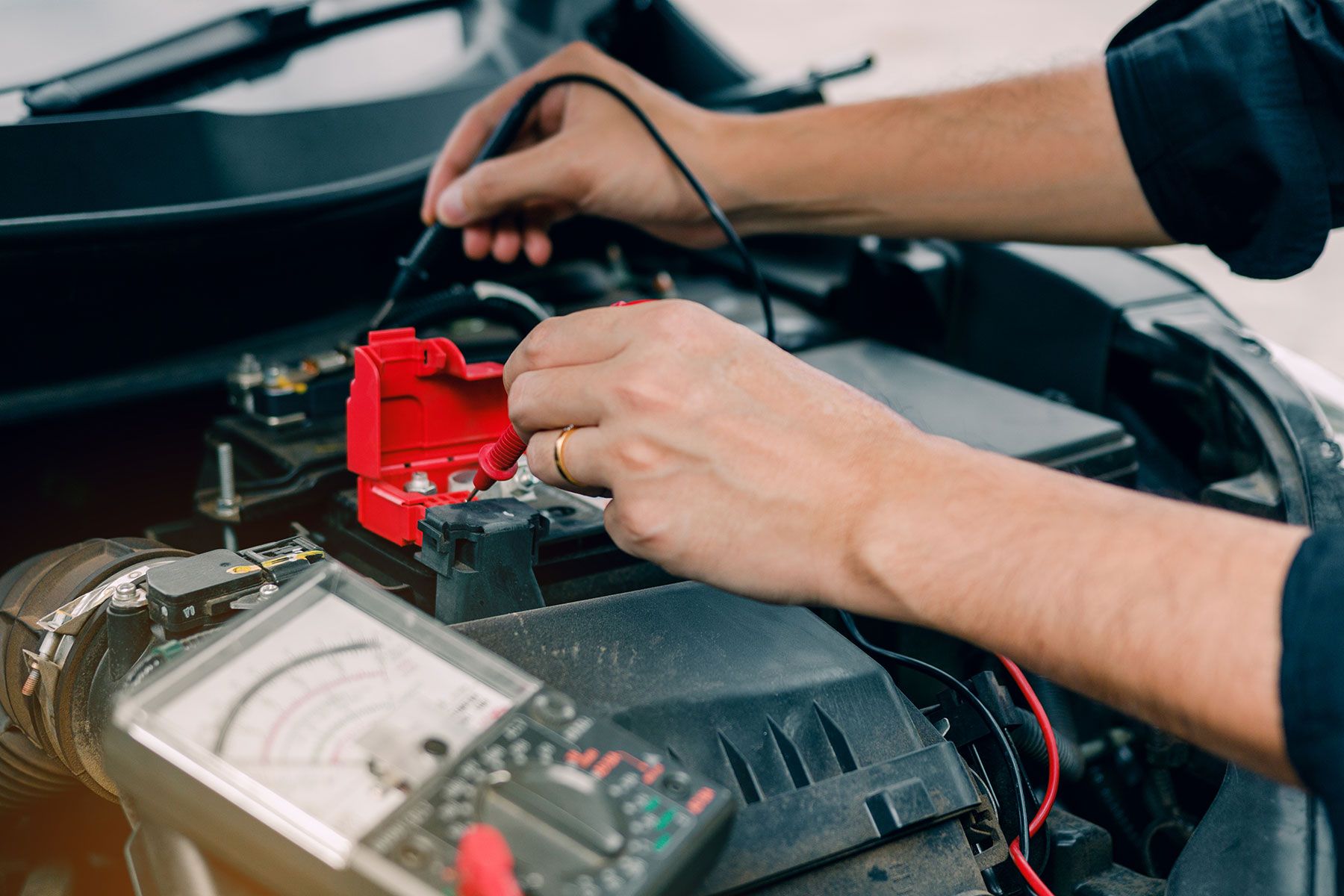
regular voltage checks. This can indicate a battery's health. Use a multimeter to verify it's charged above 12.6 volts.
Routine inspections for physical damage help prevent failures. Look for cracks or leaks in the battery case.
Consider using a protective spray to coat the terminals. This can help prevent corrosion and ensure tight connections.
Regular Maintenance Practices:
- Clean battery terminals
- Secure battery tightly
- Check voltage regularly

Battery Health Checks:
- Inspect for physical damage
- Use protective spray on terminals
- Monitor connections for corrosion
These maintenance tips aid in keeping your battery in optimal condition. They ensure reliability and longevity for your vehicle. Implementing these practices can save money on replacements.
Keeping Your Car Battery in Top Shape
A well-maintained car battery ensures reliability. Regular checks and maintenance extend its life significantly. Remembering simple steps can save you costly repairs.
Stay mindful of signs indicating a need for replacing the car battery. Quick action prevents breakdowns. A proactive approach safeguards your vehicle’s performance and keeps your commute stress-free.
Latest Posts