Why is my engine light on?
Your
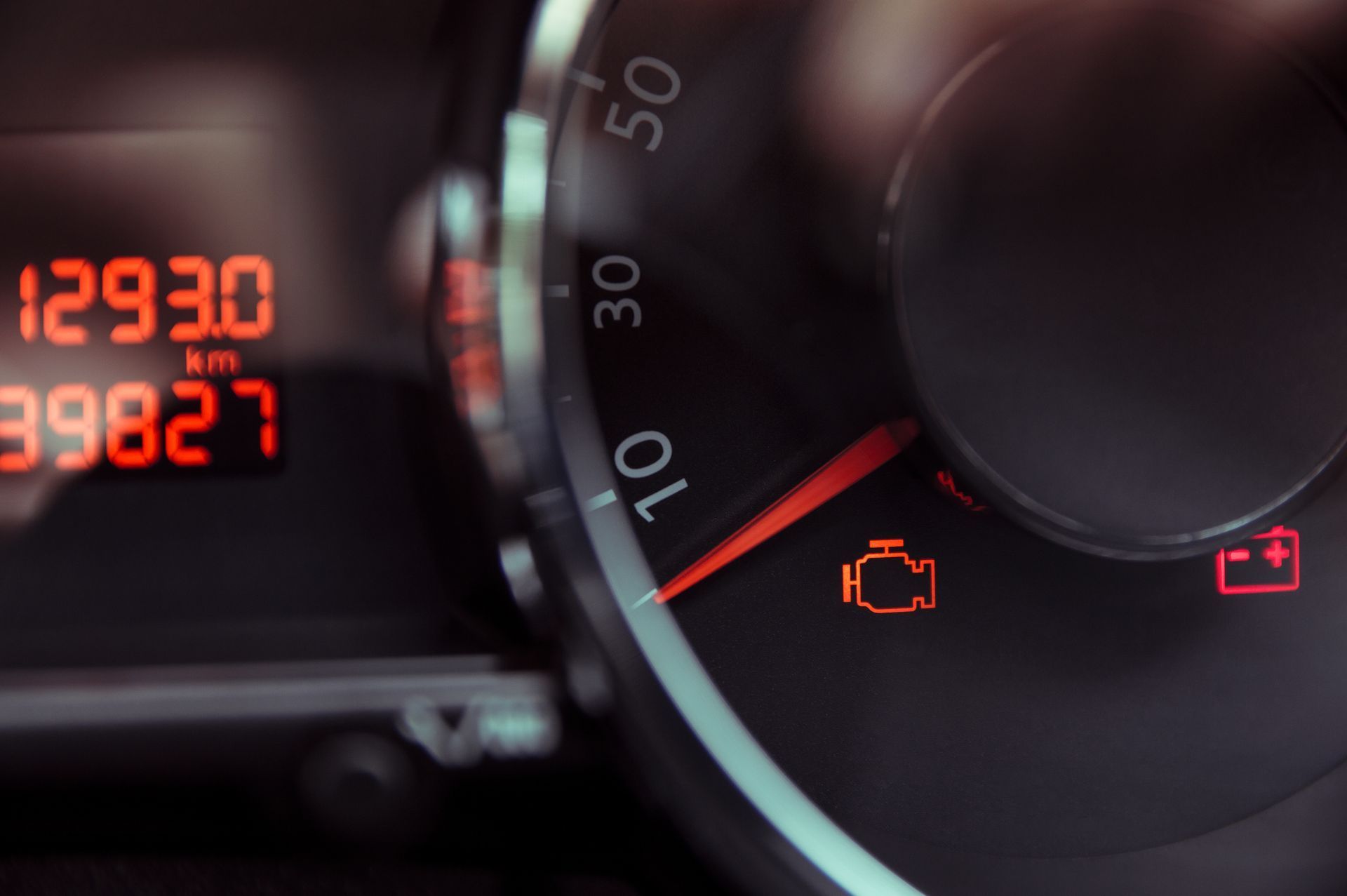
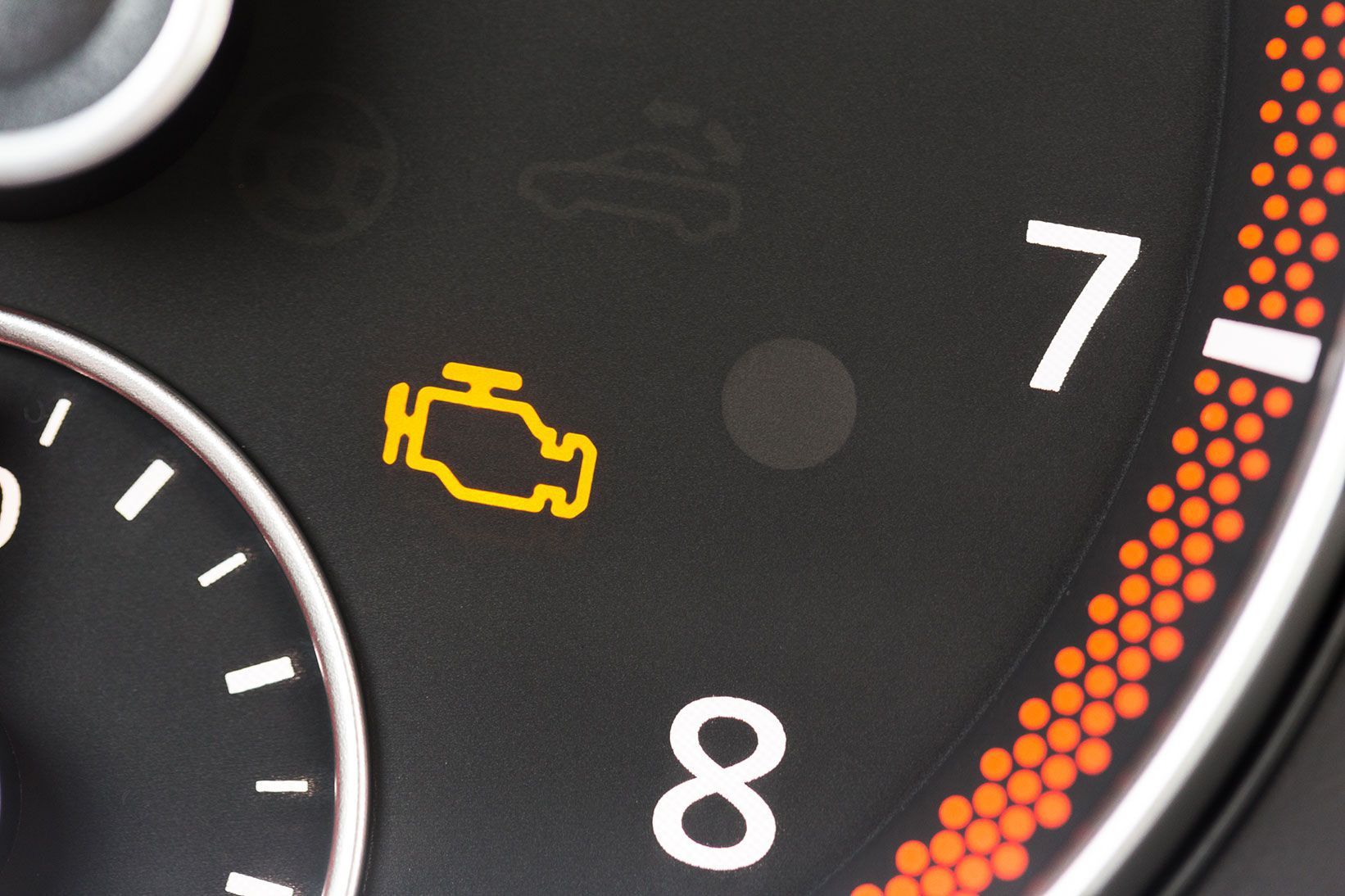
engine light is on because your vehicle’s onboard computer has detected a fault in a system it monitors, often related to fuel, ignition, emissions, or engine performance. The light does not identify the exact part by itself; it signals that diagnostic trouble codes are stored and should be read with a scan tool. Those codes give a technician, or a confident DIY driver, a starting point for finding the real cause.
The frustrating part is that the same warning can appear for very different problems. A car may feel completely normal with the engine light on, or it may shake, lose power, burn more fuel, or smell unusual. That range is why it helps to look at the light’s behavior, recent events, and any new symptoms before deciding what to do.
A steady engine light usually means the car needs diagnosis soon, but it may not be an immediate roadside emergency. A flashing engine light is different. Flashing commonly suggests a severe misfire or another issue that can quickly harm the catalytic converter or engine, so you should reduce speed, avoid heavy acceleration, and pull over safely.
Common causes behind the engine light
The
check engine system is designed to catch problems early, especially issues that affect emissions and drivability. While only a diagnostic scan can narrow the cause, several problems show up often enough that they are worth understanding.
Common reasons include:
- Loose, damaged, or missing gas cap: If the light appeared shortly after refueling, the cap may not be sealed correctly. Tighten it until it clicks, then drive normally for a few trips to see whether the system clears the warning.
- Oxygen sensor issues: Oxygen sensors help the computer adjust the air-fuel mixture. When one fails or reads incorrectly, fuel economy and emissions can suffer.
- Catalytic converter trouble: The catalytic converter helps reduce harmful exhaust emissions. Problems here may be caused by age, contamination, or ignored misfires upstream.
- Spark plug or ignition coil failure: Worn plugs or faulty coils can cause misfires, rough idling, hesitation, and a flashing light in serious cases.
- Mass airflow or intake problems: If the engine cannot accurately measure incoming air, it may run too rich or too lean.
- Fuel system concerns: Poor fuel quality, a weak fuel pump, clogged injectors, or fuel vapor system faults can all trigger the light.
- Vacuum leaks: Cracked hoses or leaks in the intake system can let unmeasured air into the engine, causing rough running and warning codes.
These causes vary widely in cost and urgency, which is why guessing can become expensive. Replacing a part because it appears in a code description does not always fix the underlying issue. For example, an oxygen sensor code may reflect a failed sensor, but it can also point to an exhaust leak, wiring problem, or air-fuel imbalance.
The difference between steady and flashing warnings
Auto warning lights are not all equal. The color, behavior, and timing of dashboard warning indicators can help you decide whether to keep driving, slow down, or stop immediately.
A
steady engine light means the vehicle has detected a fault that should be checked. If the car drives normally, you can usually finish a short local trip, avoid aggressive driving, and schedule diagnostics soon. Do not ignore it for weeks, though. Small issues can lead to lower fuel efficiency, emissions problems, failed inspections, or damage to related components.
A
flashing engine light deserves immediate caution. If it flashes while the vehicle shakes, struggles to accelerate, or runs roughly, continuing to drive may turn a manageable repair into a much more serious one. Safely pull off the road, turn the engine off if conditions allow, and arrange professional help.
Other dashboard lights may appear at the same time, and those combinations matter. An oil pressure light, temperature warning, battery light, brake warning, or traction control light may indicate a separate issue or a related symptom. Understanding basic car light meanings can help you prioritize the situation instead of treating every symbol the same.
What should you do first when the engine light comes on?
Start by checking whether the light is steady or flashing, then pay attention to how the vehicle feels, sounds, and smells. If the light is steady and the car feels normal, perform a few simple checks before scheduling diagnostics. If it is flashing or the car is running poorly, stop driving as soon as it is safe.
Here is a practical first-response checklist:
- Look at the light behavior. Steady means “diagnose soon.” Flashing means “reduce risk now.”
- Check the gas cap. If you recently filled the tank, make sure the cap is tight and properly seated.
- Notice symptoms. Rough idle, shaking, smoke, burning smells, poor acceleration, or unusual noises raise the urgency.
- Reduce engine load. Avoid towing, high speeds, steep climbs, and hard acceleration until you know more.
- Check the dashboard for other warnings. Temperature, oil, brake, and battery lights can change the safest next step.
- Read the codes. Use an OBD-II scanner or visit a repair shop to retrieve diagnostic trouble codes.
- Do not repeatedly reset the light without fixing the issue. Clearing codes may hide useful information and delay the real repair.
For many Cary, NC drivers, the engine light appears during routine driving: on the way to work, after a grocery stop, or right after refueling. If the car seems normal, it is tempting to wait. A better approach is calm but prompt action: check the obvious items, write down symptoms, and get the codes read before the problem grows.
When driving is reasonable and when it is risky
Driving a short distance with a steady engine light may be reasonable when the vehicle feels normal, the temperature gauge is stable, and no other critical warning lights are on. Still, “reasonable” does not mean “safe to ignore.” It means you can usually plan the next step instead of panicking.
Driving becomes risky when the warning is flashing, the engine is shaking, the vehicle loses power, the temperature rises, or you notice smoke or strong odors. In those cases, the safest decision is to pull over and avoid further damage. If you are on a busy road, prioritize getting to a safe location before shutting the car down.
A helpful rule is to match your response to both the light and the symptoms:
- Steady light, no symptoms: Check the gas cap and schedule a scan soon.
- Steady light with poor performance: Limit driving and arrange service quickly.
- Flashing light: Stop driving when safe and seek immediate diagnosis.
- Engine light plus oil or temperature warning: Treat it as urgent and avoid running the engine.
This approach keeps you from overreacting to a minor issue while still respecting warnings that can become expensive fast.
How the engine light differs from maintenance reminders
The
engine light is not simply a reminder that your oil change is due. Maintenance reminders are usually based on mileage, time, oil life calculations, or service schedules. The engine light appears because the vehicle has detected a fault or abnormal reading.
That distinction matters because turning off a maintenance reminder after an oil change is not the same as diagnosing an engine warning. If the engine light on your dashboard stays illuminated, the vehicle is still reporting a problem. Resetting it without understanding the code may only postpone the next warning.
Some vehicles display multiple dashboard warning indicators with similar colors or symbols, so take a moment to confirm what you are seeing. If you are unsure, consult the owner’s manual or take a clear photo of the dashboard before asking for help. A small detail, such as whether the symbol is shaped like an engine, oil can, battery, or thermometer, can change the advice completely.
Repair costs, insurance, and avoiding surprises
One of the first worries drivers have is cost. The honest answer is that an engine light can represent anything from a quick adjustment to a complex repair. The best way to avoid unnecessary expense is to diagnose first, repair second.
Standard auto insurance generally focuses on covered events such as collisions, theft, vandalism, or certain weather-related damage. It typically does not pay for ordinary mechanical wear, failed sensors, ignition parts, or emissions repairs. Some drivers may have mechanical breakdown insurance, an extended warranty, or a vehicle protection plan that applies to specific repairs, but coverage depends on the contract.
Before approving work, ask for:
- The diagnostic trouble codes found during the scan
- The tests performed beyond reading the code
- The suspected cause and why
- Whether the repair is urgent or can be planned
- An estimate that separates diagnostics, parts, labor, and any additional recommendations
Good communication protects your budget. It also helps you understand whether you are fixing the root cause, preventing future damage, or addressing a maintenance item discovered during inspection.
Practical habits that reduce future warning lights
You cannot prevent every engine light, but consistent habits reduce avoidable problems. Keep up with oil changes, spark plug intervals, air filter replacement, and fuel system maintenance recommended for your vehicle. Use the correct fuel, replace a missing gas cap promptly, and address rough running before it worsens.
Pay attention to patterns. Did the light come on after refueling? During heavy rain? While accelerating uphill? After the car sat unused? These details may seem minor, but they can point toward fuel vapor leaks, ignition issues, moisture-related electrical problems, or load-related misfires.
For
Cary NC drivers who rely on a vehicle for commuting, school drop-offs, errands, and weekend trips, a warning light can disrupt the entire day. Responding early is usually less stressful than waiting until the car runs badly or will not start. Even when the fix is simple, confirming the cause gives you peace of mind.
The key takeaway for drivers
An engine light is a warning, not a diagnosis. A steady light means you should check simple causes and schedule diagnostics soon, while a flashing light means you should stop driving as safely and quickly as possible. Learning the basic difference between engine warnings, maintenance reminders, and other auto warning lights helps you make a calm, informed decision.
If you are asking, “why is my engine light on,” start with the light’s behavior, your vehicle’s symptoms, and a proper code scan. Acting promptly can help protect your engine, control repair costs, and keep your vehicle dependable for everyday driving in and around
Cary NC.