

7 Auto Preventative Maintenance Tips for Cary Drivers


By  • November 23, 2026

Auto preventative maintenance is the routine care that helps prevent breakdowns, extend vehicle life, and reduce repair costs. For Cary drivers, it includes scheduled oil changes, tire checks, fluid inspections, brake evaluations, battery testing, and timely attention to warning lights based on the vehicle’s mileage, age, and driving conditions.

Why Is Auto Preventative Maintenance Important?

Preventative maintenance addresses small problems before they become expensive or unsafe failures. A worn belt, low fluid level, weak battery, or underinflated tire may not seem urgent, but each can affect reliability and performance.

Cary drivers often experience a mix of city traffic, highway commuting, hot summers, heavy rain, and occasional cold weather. These conditions can increase stress on tires, batteries, cooling systems, brakes, and air conditioning components.

Consistent maintenance can help you:

  • Improve safety and vehicle reliability
  • Protect fuel economy and handling
  • Avoid unexpected roadside breakdowns
  • Preserve resale value
  • Plan expenses instead of facing emergency repairs

A maintenance schedule is not just a dealership recommendation. It is a practical ownership plan tailored to your vehicle and driving habits.

7 Car Maintenance Tips Cary Drivers Should Follow

1. Follow the manufacturer’s service schedule

Your owner’s manual lists recommended intervals for oil changes, filters, spark plugs, transmission service, coolant, belts, and other components. Some vehicles use mileage intervals, while newer models may also track time and driving conditions.

If you frequently drive short trips, sit in traffic, tow equipment, or carry heavy loads, your vehicle may need more frequent service. Ask a qualified technician to interpret the schedule for your specific make and model.

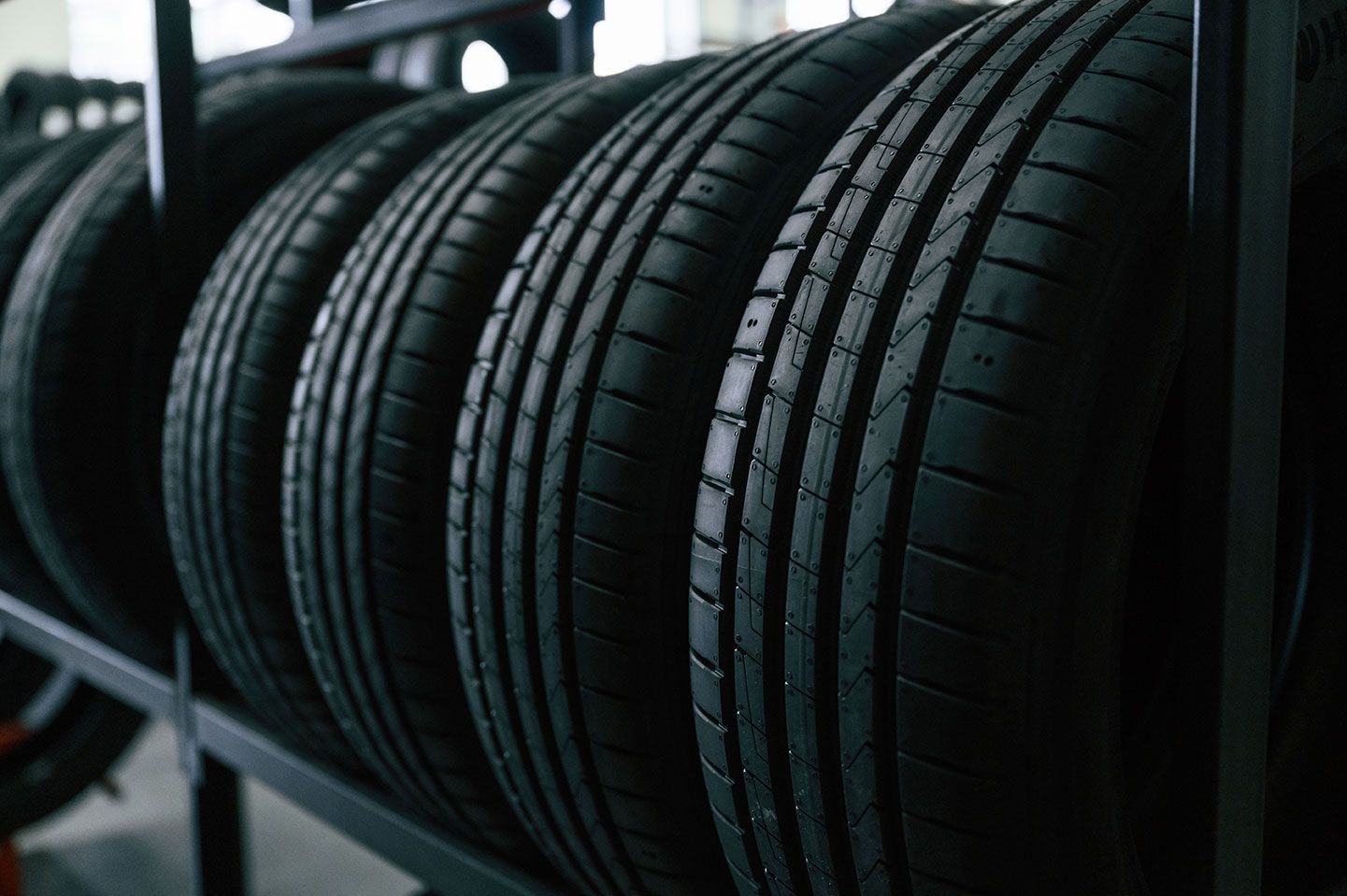
2. Check your tires regularly

Tires influence braking, steering, fuel economy, and wet-weather traction. Check pressure at least once a month and before long trips. Use the pressure listed on the driver’s doorjamb label rather than the maximum pressure printed on the tire sidewall.

Also look for uneven wear, cracks, bulges, and low tread. Cary’s changing weather makes proper tire condition especially important. You can review additional tire care tips or explore available tire services .

3. Do not postpone oil and filter service

Engine oil reduces friction and helps manage heat. Over time, oil becomes contaminated and less effective. The correct interval depends on the vehicle, oil type, mileage, and operating conditions.

During an oil service, a technician can also inspect for leaks, check fluid levels, examine belts and hoses, and identify developing issues. Regular inspections make oil changes more valuable than simply replacing the lubricant.

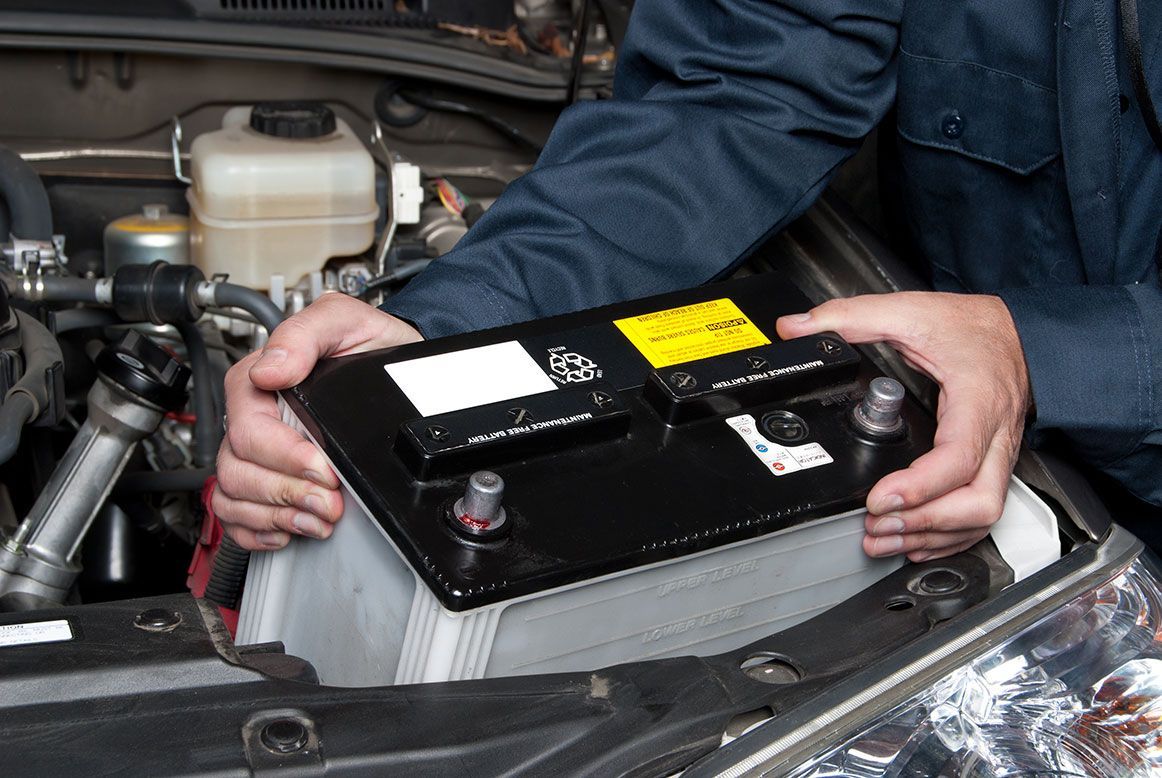
4. Test the battery before it fails

A battery can lose strength gradually, especially in extreme heat or after several years of service. Slow starting, dim lights, electrical glitches, or clicking sounds may indicate a problem.

Battery testing is quick and can help you decide whether replacement is needed before your vehicle refuses to start. It is particularly useful before road trips or seasonal temperature changes.

5. Inspect brakes and suspension components

Squealing, grinding, vibration, pulling, or a soft brake pedal should never be ignored. Brake inspections can identify worn pads, damaged rotors, leaking fluid, or other safety concerns.

Suspension components also affect control and tire wear. If your vehicle bounces excessively, pulls to one side, or produces clunking sounds over bumps, schedule an inspection promptly.

6. Replace filters and inspect fluids

Engine air filters, cabin air filters, coolant, brake fluid, transmission fluid, and windshield washer fluid all support vehicle performance or comfort. Replacement needs vary by vehicle and driving conditions.

A dirty cabin filter can reduce airflow and worsen interior air quality. Low or contaminated fluids may indicate leaks or component wear, so topping off should not replace proper diagnosis.

7. Respond to warning lights quickly

A dashboard warning light is an early communication from your vehicle. Some alerts require immediate attention, while others allow you to drive briefly to a repair facility. A flashing check engine light, overheating warning, oil pressure warning, or brake warning should receive urgent attention.

Use Cary Car Care’s guide to warning lights , then arrange professional diagnosis instead of guessing at the cause.

When Should You Schedule Preventive Car Maintenance?

Schedule preventive car maintenance according to your owner’s manual, but do not wait for a mileage milestone if you notice a symptom. A practical maintenance plan includes:

  • A general inspection at least annually
  • Oil and filter service at the manufacturer’s interval
  • Tire pressure checks monthly
  • Brake, battery, and fluid inspections during routine visits
  • Immediate evaluation of unusual noises, smells, leaks, or warning lights

A vehicle’s age matters as much as mileage. Older cars may need closer attention to rubber components, cooling systems, suspension parts, seals, and electrical connections. A technician can create a maintenance timeline based on what has already been completed.

What Does a Preventative Maintenance Inspection Include?

The exact inspection varies by vehicle and service package, but a thorough visit may include:

  1. Reviewing service history and current concerns
  2. Checking engine oil and other essential fluids
  3. Inspecting tires, tread, pressure, and wear patterns
  4. Examining brakes, steering, and suspension components
  5. Testing the battery and charging system
  6. Checking belts, hoses, filters, lights, and wipers
  7. Scanning for diagnostic trouble codes when appropriate
  8. Explaining recommended repairs by urgency and priority

A trustworthy shop should distinguish between immediate safety repairs, upcoming maintenance, and optional recommendations. Clear communication helps you make informed decisions without pressure.

How Can Cary Drivers Keep a Simple Maintenance Record?

Keep receipts, inspection notes, mileage, dates, and part replacement information in one place. A paper folder, phone note, or digital vehicle app can work well.

Record symptoms even if they disappear. Note when a noise occurs, whether the engine is cold or warm, and whether the issue happens during turning, braking, or acceleration. These details can help a technician diagnose concerns more efficiently.

Before an appointment, bring your maintenance history and mention recent travel, towing, traffic-heavy driving, or seasonal changes. You can also schedule an appointment when service is due.

Local, Transparent Car Care in Cary

Cary Car Care is a family-owned and operated auto repair business serving Cary, North Carolina, and surrounding communities. Our technicians use modern diagnostic equipment and practical inspection methods to identify problems accurately.

We focus on communication, value, and dependable workmanship. Whether your vehicle needs routine service, tire attention, brake evaluation, or a more complex repair, our goal is to explain the work clearly and help you choose the right next step.

Learn more about our auto repair services , read customer reviews , or contact us with questions about your vehicle.

What Should You Do Next?

Auto preventative maintenance is most effective when it is consistent, vehicle-specific, and completed before a minor concern becomes a breakdown. Start by reviewing your owner’s manual, checking your tires and dashboard alerts, and gathering your recent service records. Then schedule an inspection if maintenance is overdue or your vehicle shows unusual symptoms. Cary drivers can rely on Cary Car Care for straightforward recommendations, careful inspections, and professional preventive maintenance designed around safety, reliability, and long-term value. Book your preventive maintenance appointment today.


Contact Us

SHARE THIS

Latest Posts

Technician checking motor oil in a vehicle
November 4, 2026
Learn how to choose motor oil, understand viscosity and oil change intervals, and protect your vehicle on Cary, NC roads with expert tips from Cary Car Care.

October 26, 2026
When the engine light appears, you r vehicle is telling you that something in the engine or emissions system needs attention. Sometimes the cause is as simple as a loose gas cap; other times, it points to a misfire, sensor failure, or problem that can damage the vehicle if you keep driving. This guide explains common car light meanings, how to judge urgency, and what drivers in Cary NC can do next without guessing.
October 26, 2026
Understanding Tire Tread Depth
September 15, 2026
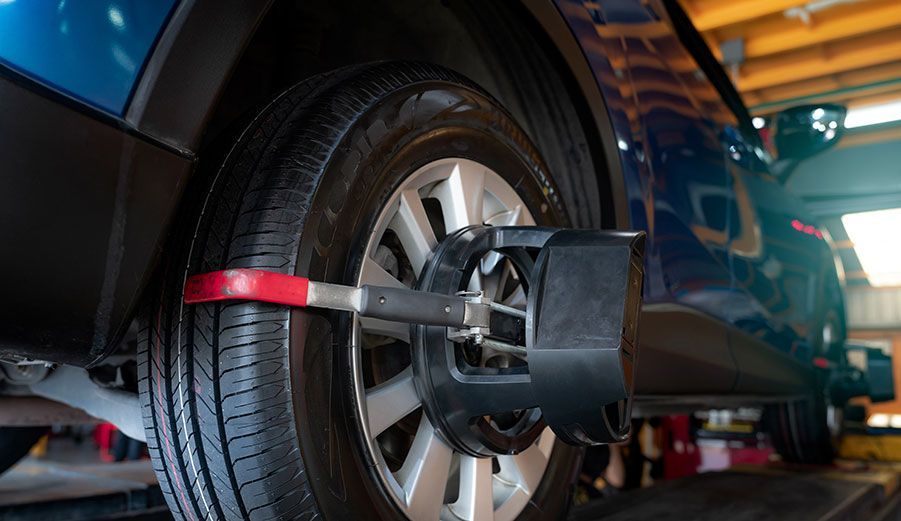
Understanding Wheel Alignment
September 15, 2026
Car Battery Lifespan and Maintenance
Hands wearing black gloves assembling engine parts.
By Cary Car Care • July 4, 2023
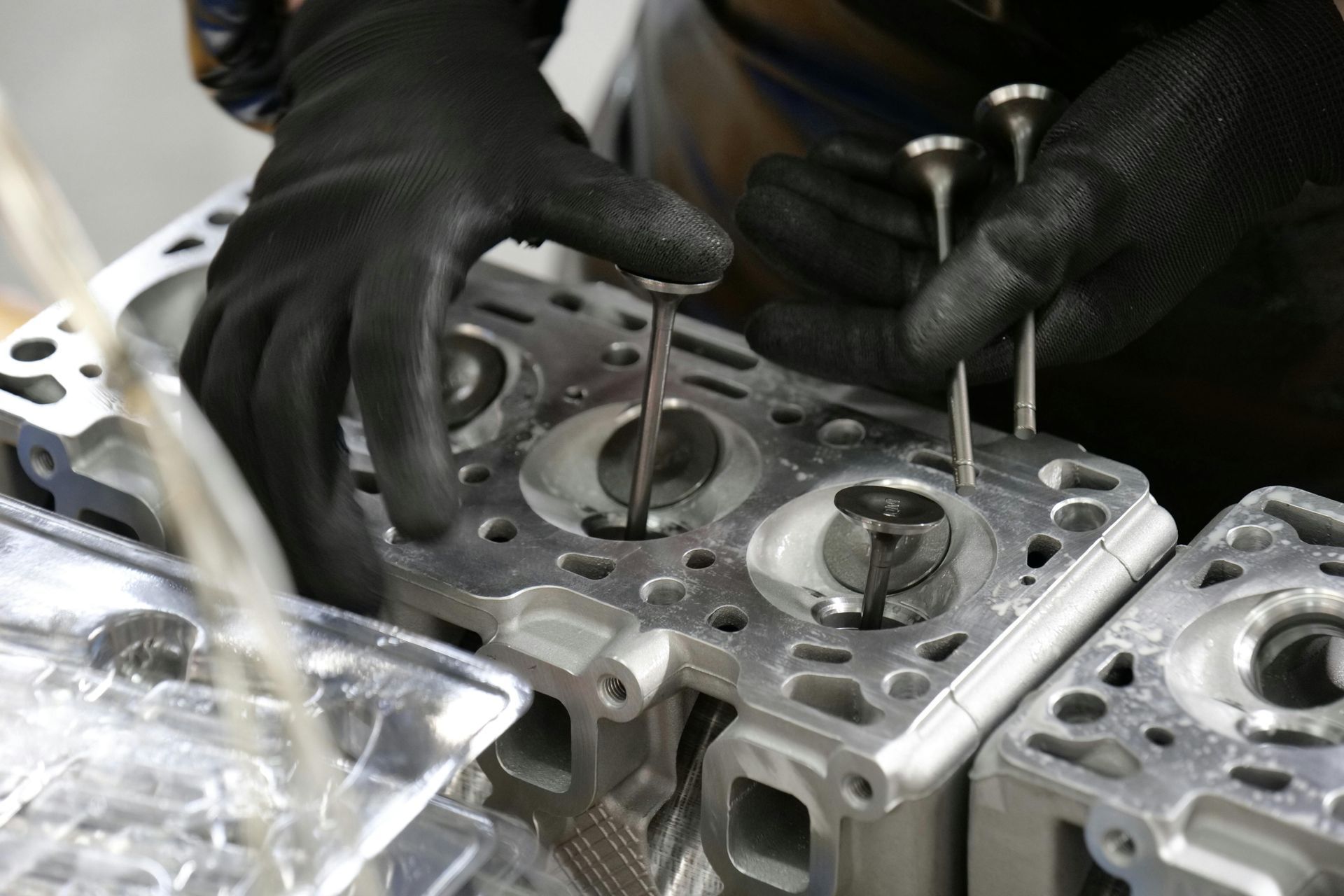
Poor Vehicle Hygiene If the timing belt breaks while driving in an interference engine, a type of four-stroke internal combustion piston engine, the valves travel to an area where an open piston may travel.
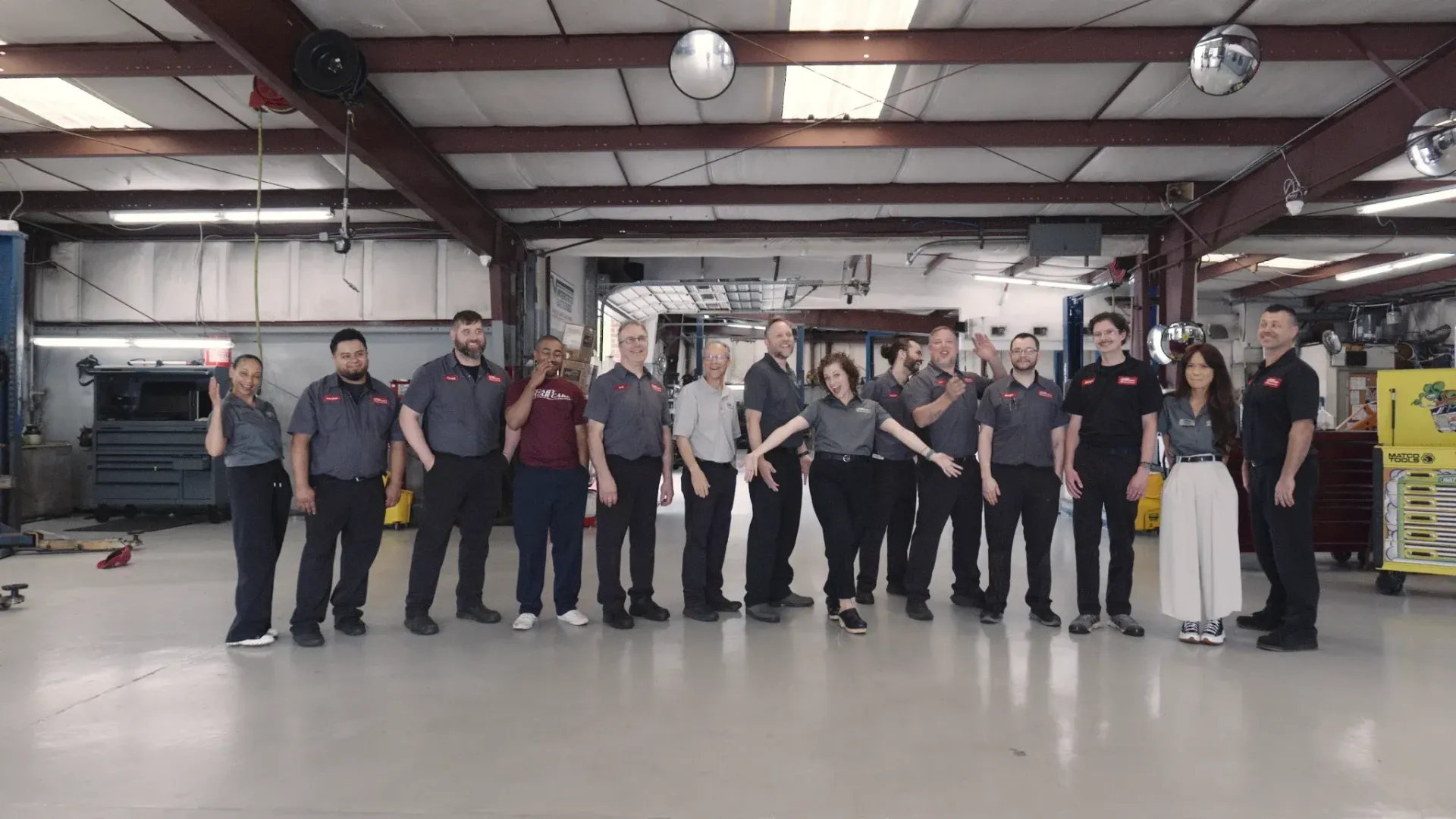
Group of auto shop employees posing inside the garage, with arms outstretched.
By Cary Car Care • June 28, 2023
We are Cary Car Care and we would like to reintroduce ourselves! We have had quite a few changes over the last few years but there are some things that have stayed the same including Paul, Kelsey, and BJ! We’re still here and we’re still serving the Cary area for all your automotive needs!
By Cary Car Care • June 1, 2023
At Cary Car Care, we are always striving to give the best possible value and service to our customers. We are excited to announce that we are increasing our warranty from 24 months/24,000 miles to 36 months/36,000 miles!

Dashboard showing the illuminated yellow engine light, indicating a possible malfunction.
By Cary Car Care • January 4, 2023
What are P0420 and P0430 Codes? You’re driving to see an old friend and you notice your car is running a little sluggish, is chewing up fuel, and has lost some power. The check engine light illuminates. You continue down the road and you notice a sulfur odor emitting from the vehicle.

Gloved hand holding brake rotors; red, black, and white accents on glove.
By Cary Car Care • July 21, 2022
When should you replace your brakes, and when is it okay to resurface? Brake failure is a scary prospect that we hope doesn’t keep you up at night! You always trust that when you put your brake pedal to the floor, your vehicle will slow to a stop.

Show More